
Your Guide on Section 8 Qualifications
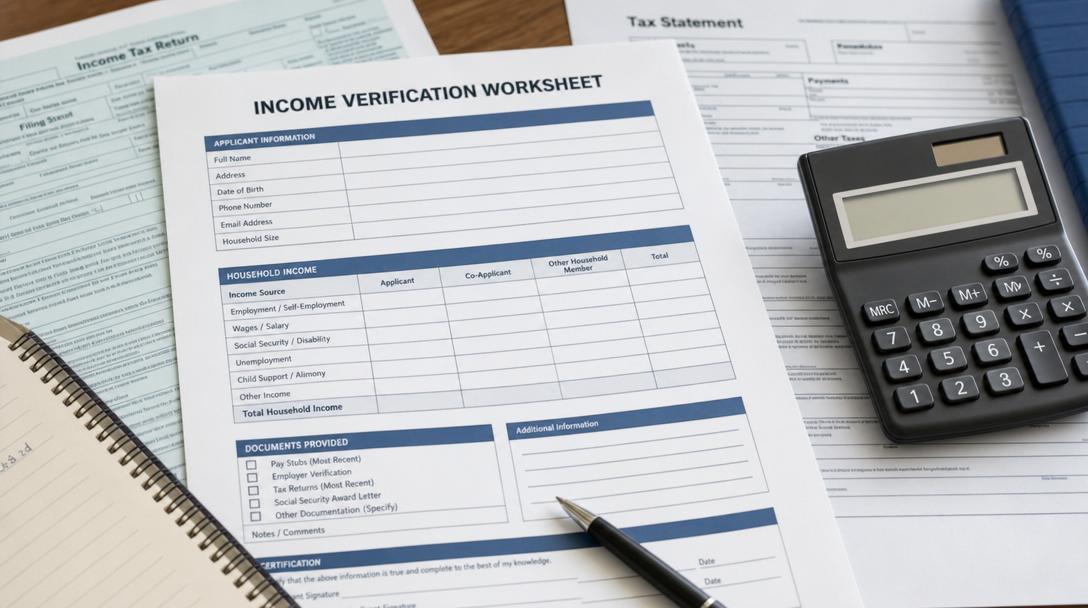
Section 8 is the common name for the Housing Choice Voucher Program, a federal rental assistance program administered locally by Public Housing Authorities. If you qualify, a voucher helps pay part of your rent while you contribute an affordable share based on your income. The program does not guarantee a home on day one—you still find a landlord willing to accept the voucher—but it can make stable housing reachable when market rents are out of reach.
Qualifications are not identical everywhere. Congress sets the broad framework, HUD publishes regulations, and each housing authority adds local preferences, income limits, and waiting list rules. Two families with similar incomes may have different outcomes depending on which city they apply in and whether that authority's list is even open.
This guide explains the core Section 8 eligibility factors most authorities use, what documents prove your case, and how to prepare so a long wait does not turn into a missed opportunity when your name is finally called.
Basic Eligibility Requirements
At the foundation, Section 8 targets low-income households. Your income is compared to the area median income for your county or metro area, expressed as a percentage such as 50% or 80% AMI. Most vouchers go to families at or below 50% AMI, though exact cutoffs are published annually by HUD and adjusted locally.
You must qualify as a family under HUD rules. That includes single adults, parents with children, elderly households, and people with disabilities living alone or with relatives. Everyone you list on the application is generally counted for income and bedroom size purposes.
Eligible immigration status is required for the household member who will receive assistance. U.S. citizens and certain categories of eligible non-citizens may qualify. Mixed-status households may receive prorated assistance based on the number of eligible members. Housing authorities verify status during the eligibility interview.
Income Limits and How Rent Is Calculated
Income includes wages, self-employment earnings, Social Security, disability benefits, child support, unemployment, and most other regular payments. Assets such as bank accounts and real estate may also factor in, though primary rules focus on annual income.
When you are admitted to the program, the housing authority determines your total tenant payment—typically about 30% of adjusted monthly income toward rent and utilities. The voucher pays the rest up to a payment standard for your area, as long as the unit's rent is reasonable and passes inspection.
Income limits change every year. A raise, new job, or household member moving in can shift your share of rent at annual recertification. Report changes promptly; failing to do so can lead to repayment demands or termination from the program.
Family Composition and Unit Size
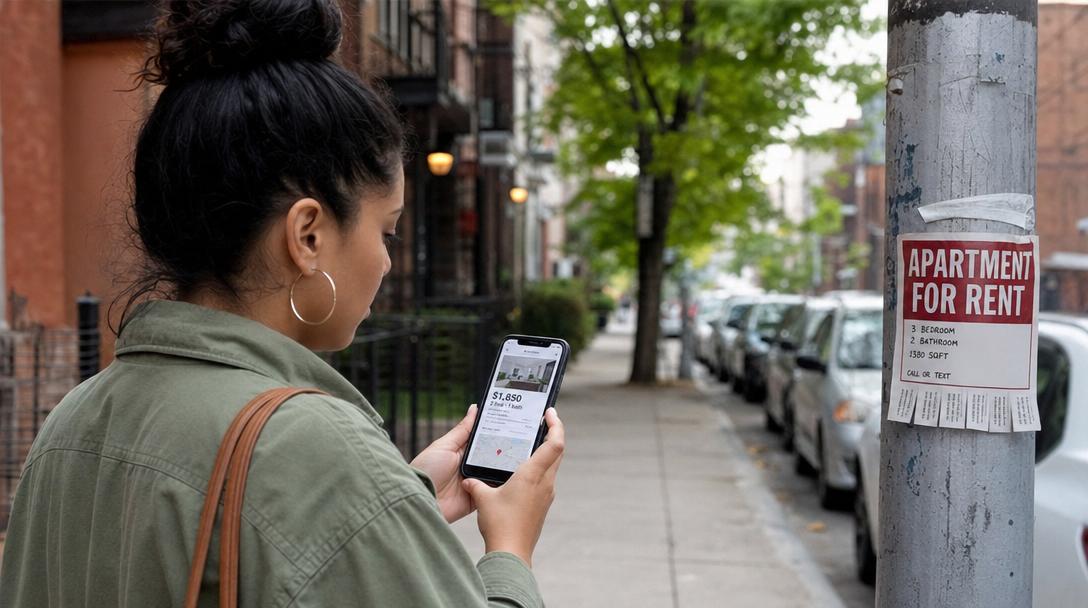
Bedroom size on your voucher is based on household size and composition, not personal preference. Housing authorities follow HUD occupancy standards that consider the number of people, ages, genders, and relationships in the home. A single parent with two children of opposite sexes may qualify for a different bedroom count than a couple without kids.
You are not required to use the maximum bedrooms allowed. Choosing a smaller unit may reduce your utility allowance and total housing cost share if the rent is lower.
Adding or removing household members triggers interim recertification.
Citizenship and Background Requirements
All adult household members undergo background checks in most jurisdictions. Criminal history involving certain drug-related activity, violent crimes, or lifetime sex offender registry status can disqualify an applicant or household member. Policies vary in how past convictions are weighed and whether rehabilitation time limits apply.
Evictions for nonpayment or drug-related activity on your record can complicate approval even when income qualifies. Honest disclosure upfront is safer than surprises during verification.
Local Preferences and Waiting Lists

Meeting income and basic eligibility rules does not mean you receive a voucher immediately. Most areas maintain waiting lists that are closed to new applicants for years at a time. When lists open, they may accept only a limited number of pre-applications before closing again.
Local preferences can reorder the list. Common preferences include:
- Current or former residents of the jurisdiction
- Working families or those enrolled in job training
- Homeless individuals and families verified through coordinated entry
- Veterans and survivors of domestic violence
- People with disabilities or elderly applicants in specific developments
Document anything that might earn a preference. Shelter verification letters, employer pay stubs, or disability determinations should match the categories your housing authority publishes in its annual plan.
Documents You Should Gather Before Applying
Waiting list applications are often short, but full eligibility verification is document-heavy. Start collecting:
- Photo identification for all adult household members
- Social Security cards or official numbers for everyone listed
- Birth certificates or legal custody papers for children
- Proof of income for the last 30 to 60 days and prior year tax returns if self-employed
- Bank statements and asset statements when requested
- Current lease, landlord contact information, and rent payment records
- Verification of benefits such as TANF, SSI, SSDI, unemployment, or child support
- Immigration documents for eligible non-citizens
Keep originals safe and submit copies unless told otherwise. Label folders by household member so you can respond quickly when a letter arrives years after you first applied.
The Application and Interview Process

When the waiting list opens, apply exactly as instructed—online, by mail, or in person. Missing a checkbox or signature can invalidate an otherwise strong application. Save confirmation numbers and screenshots of submission pages.
If selected from the list, you attend an eligibility briefing and interview. A caseworker reviews your documents, explains program rules, and calculates preliminary rent share. You sign forms authorizing income verification with employers, banks, and benefit agencies.
After approval, you receive a voucher with a search period to find housing. Extensions may be granted for good cause, but letting a voucher expire without leasing up can mean returning to the waiting list. Treat the search period as a deadline, not a suggestion.
Finding a Landlord and Passing Inspection
Section 8 tenants lease from private landlords who agree to participate. The unit must meet HUD Housing Quality Standards and rent at or below the payment standard unless you pay the difference. An inspector checks safety items: working smoke detectors, adequate heat, plumbing, electrical systems, and structural soundness.
Landlord participation is voluntary in most areas. Be upfront about using a voucher when you call listings.
If a unit fails inspection, the landlord may repair issues and schedule a reinspection before your voucher clock runs out.
Staying in Good Standing Once You Have a Voucher
Program success depends on following lease and program rules together. Pay your portion of rent on time, allow inspections, and report income changes within the timeframe your housing authority specifies. Host unauthorized guests who become permanent residents without approval can jeopardize assistance.
Annual recertification repeats the income verification cycle. Respond to mail immediately to avoid suspended payments.
Section 8 qualifications blend federal standards with local practice. Prepare documents early, apply when lists open, and stay reachable by phone and mail until your name reaches the top of the list.
This article is for general information only and is not legal, financial, or government advice. Program names, benefit amounts, income limits, and eligibility rules can change at any time and vary by state and household. Always confirm the latest details with the official agency or a trusted nonprofit before applying.