
Understanding Different Housing Assistance Options

Housing assistance is not one program. Some options lower rent, some help with deposits, some cover short-term emergencies, and others support long-term stability. Knowing the difference can save a lot of time and frustration.
Public housing, Section 8 vouchers, emergency rental aid, transitional housing, and nonprofit support all have different rules. Some are tied to income, some to a crisis, and some to a specific local need. The right choice depends on whether you need quick relief or a more permanent solution.
If you are not sure where to start, local housing authorities and community assistance agencies are usually the best first stop. Once you know the category you need, the search becomes much easier. That is often the biggest hurdle.
Why Housing Assistance Comes in So Many Forms
Communities face different housing problems. A family facing eviction after a job loss needs immediate help paying rent. A senior on a fixed income may need long-term reduced rent. A homeless veteran may qualify for specialized supportive housing. No single program covers every situation, so federal, state, and local governments offer a mix of tools.
Some programs are entitlements with ongoing funding, while others are grants that run out when money is spent. Some help renters, some help homeowners, and some focus on building or rehabbing affordable units. Understanding these categories helps you apply to the right place instead of starting over repeatedly.
Rental Assistance and Voucher Programs
Rental assistance usually means help paying part of your monthly rent in a private-market unit. The Housing Choice Voucher Program, often called Section 8, is the best-known example. Tenants typically pay about 30 percent of their adjusted income, and the voucher covers the rest up to a local limit.
Project-based rental assistance works differently. The subsidy stays with a specific building rather than following the tenant. If you move, you may lose that particular subsidy unless you receive a tenant-based voucher separately.
Emergency rental assistance programs, often funded by state or local governments, may pay past-due rent or several months going forward during a crisis. These programs usually have application windows and income limits that differ from long-term voucher rules.
Public Housing and Affordable Developments
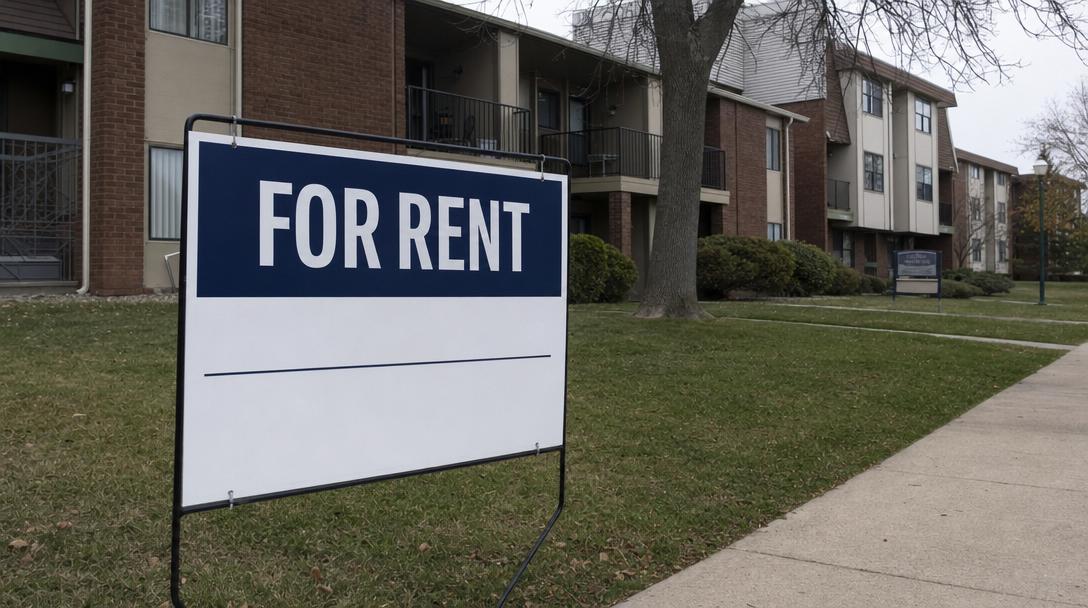
Public housing refers to government-owned rental units managed by a Public Housing Authority. Rent is usually based on income, and tenants live in designated developments. Waiting lists are common, and unit sizes depend on household composition.
Affordable housing developments built with Low-Income Housing Tax Credits or other subsidies may offer reduced rents to qualifying tenants without a traditional voucher. These units are often listed through property managers or local housing registries rather than the Section 8 waiting list.
Some developments serve specific populations, such as seniors or people with disabilities. Always ask about age, income, and occupancy requirements before applying.
Homeownership and Down Payment Help
Housing assistance is not only for renters. First-time homebuyer programs may offer down payment grants, low-interest loans, or closing cost help. FHA loans insured by HUD allow smaller down payments for qualifying buyers, though mortgage insurance and credit requirements still apply.
State housing finance agencies often run these programs. Income limits and purchase price caps vary by county. Homebuyer education classes are frequently required before funds are released.
If you already own a home and struggle with repairs, local weatherization or home repair programs may help with insulation, heating systems, or accessibility modifications. These are separate from mortgage assistance but can reduce long-term housing costs.
Emergency and Short-Term Housing Support
When someone faces immediate homelessness, short-term programs may provide hotel vouchers, rapid rehousing funds, or shelter placement. Rapid rehousing typically covers first month's rent, deposits, and case management for a limited time while the household stabilizes.
Transitional housing offers temporary stays—often six months to two years—with supportive services such as job training or counseling. It is a bridge, not a permanent home, but it can prevent repeated shelter stays.
Domestic violence shelters and youth housing programs serve specific safety needs and may connect survivors to longer-term resources after the crisis passes.
Nonprofit and Community-Based Resources
Charitable organizations fill gaps that government programs do not cover. Catholic Charities, Salvation Army branches, United Way affiliates, and local community action agencies may help with rent, deposits, utility arrears, or furniture for a new apartment.
Faith-based groups, neighborhood coalitions, and mutual aid networks sometimes maintain small emergency funds. Amounts are usually limited, but quick help with a partial rent payment can prevent eviction while you pursue larger assistance.
Housing navigators and case managers at nonprofits can help you apply to multiple programs at once and track deadlines.
How to Choose the Right Program for Your Situation
Start by defining your timeline. If rent is due this week, look for emergency rental assistance and legal aid first. If you can wait but need lasting affordability, explore voucher waiting lists and income-restricted apartments in parallel.
Match your household profile to program goals. Seniors may qualify for senior housing or property tax relief. Veterans should contact their local VA office about housing benefits. Families with children may access different shelter and rehousing paths than single adults.
Consider paperwork capacity. Voucher programs require ongoing reporting. Emergency grants may be simpler but one-time. Be realistic about what you can maintain.
Documents That Help Across Most Programs

Different applications ask for different items, but preparing a basic folder speeds up almost every process:
- Photo ID and Social Security cards for household members
- Proof of income such as pay stubs, benefit letters, or tax returns
- Current lease, rent ledger, or eviction notice if applicable
- Bank statements only if a program requires asset verification
- Birth certificates or immigration documents when citizenship status matters
Keep digital photos of everything in case an office accepts email submissions.
Common Mistakes When Seeking Housing Help
Applying to the wrong program wastes weeks. Read eligibility carefully before you invest time in a long application. Ignoring waiting list updates is another frequent problem—many people lose priority because they moved and never notified the housing authority.
Some households refuse partial help while waiting for a perfect solution. A deposit grant today plus a voucher application tomorrow may beat waiting months for a single answer. Also beware of scams that charge fees to "guarantee" Section 8 approval. Legitimate housing authorities do not sell voucher spots.
Getting Personalized Guidance
You do not have to map this landscape alone. Call 211 to speak with someone who knows local programs. Visit HUD.gov to find approved housing counselors. Talk to a tenant rights clinic if you are facing court dates.
Understanding different housing assistance options does not mean mastering every rule overnight. It means knowing which category fits your situation so you can take the next step with confidence. Verify current eligibility and funding with official agencies before you apply.
This article is for general information only and is not legal, financial, or government advice. Program names, benefit amounts, income limits, and eligibility rules can change at any time and vary by state and household. Always confirm the latest details with the official agency or a trusted nonprofit before applying.