
Get Up to $3,000 in Relief with LIHEAP Assistance
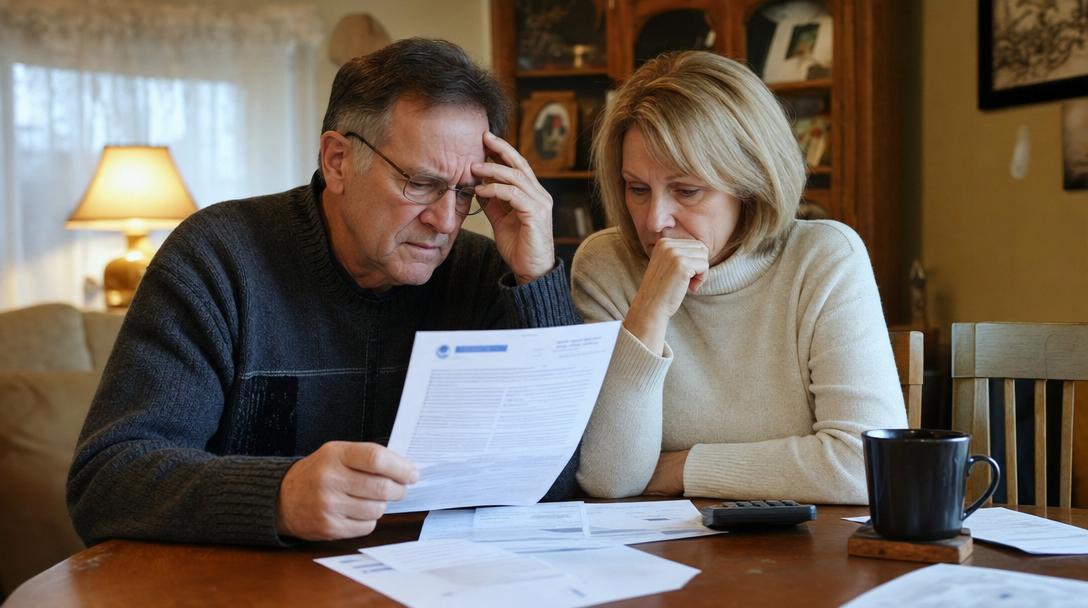
When heating or cooling bills climb faster than your budget can handle, a single utility statement can feel overwhelming. The Low Income Home Energy Assistance Program, commonly called LIHEAP, is a federally funded program that states run to help eligible households manage energy costs. It is not a loan and does not need to be repaid when used as intended.
LIHEAP is designed for situations where energy bills create real hardship. Because each state sets its own income limits, benefit levels, and application windows, the amount of help available can vary widely. The figure in this article's title reflects a common upper range some states may offer in a given season, not a promise of what any household will receive.
What LIHEAP Is Meant to Cover
LIHEAP focuses on home energy costs rather than general living expenses. Depending on your state, approved funds may go toward electricity, natural gas, propane, heating oil, wood, or other fuels used to heat or cool your home. Some programs also address past-due balances or help prevent disconnection when a shutoff notice has already arrived.
The program is seasonal in many areas. States often open applications in fall or winter for heating assistance and may offer a separate window for summer cooling help in hotter regions. Funding is limited, so applying early in the open period can matter when demand is high.
Who May Be Eligible
Eligibility is based on household income, size, and sometimes other factors such as age, disability, or the presence of young children. Most states compare your income to the federal poverty guidelines or a state-specific threshold, which may be higher than the federal level.
Priority is often given to households with the greatest need. That can include older adults, families with infants or young children, people with disabilities, and households facing a utility crisis such as a shutoff notice or broken heating system. Even if you applied in a previous year and were denied, it can be worth checking again because income, household size, and program rules change.
Types of Assistance LIHEAP May Provide
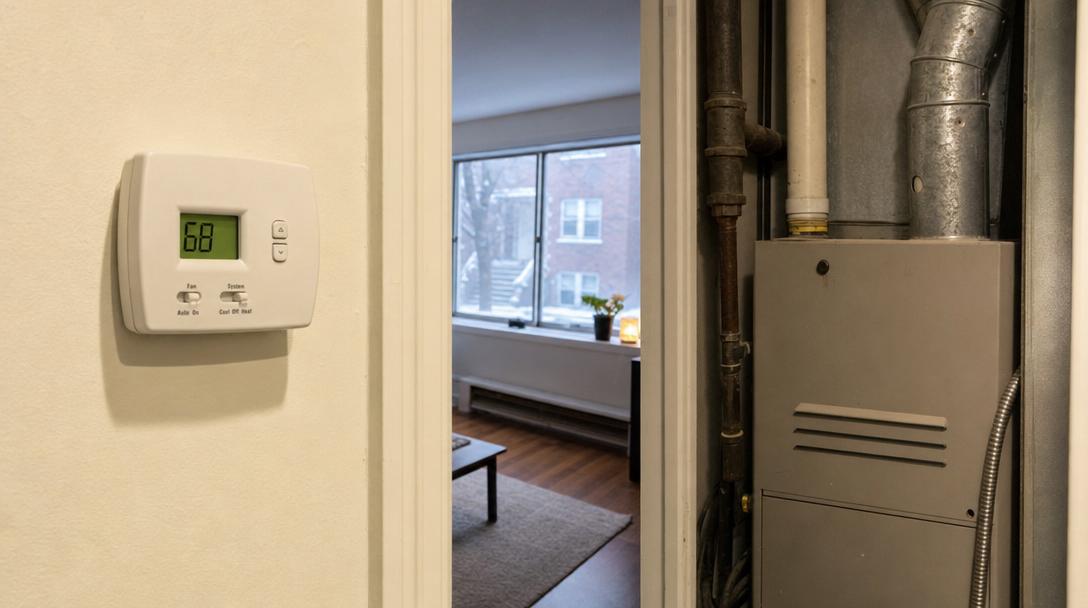
States do not all offer the same mix of services. Your local program may include one or more of the following:
- Regular bill payment assistance credited directly to your utility account
- One-time grants for heating or cooling costs during an approved season
- Emergency help when a shutoff is imminent or has already occurred
- Weatherization referrals or repairs that reduce future energy use
- Furnace repair or replacement in crisis situations where funding allows
Because services differ by state, reading your state LIHEAP fact sheet or speaking with a local community action agency can clarify what is actually offered where you live.
How Benefit Amounts Are Determined
LIHEAP is a block grant program, meaning each state receives a set amount of federal funding and decides how to distribute it. Some states use a flat benefit for qualifying households. Others calculate an amount based on fuel type, household size, and how far your income falls below the limit.
Headlines that mention amounts such as $3,000 usually refer to maximum benefit levels in certain states or for specific crisis situations. Many households receive less than the maximum. Benefit levels can also change from year to year based on funding and policy updates. Treat any dollar figure as a reference point to explore with your state agency, not a fixed payment.
How to Apply for LIHEAP
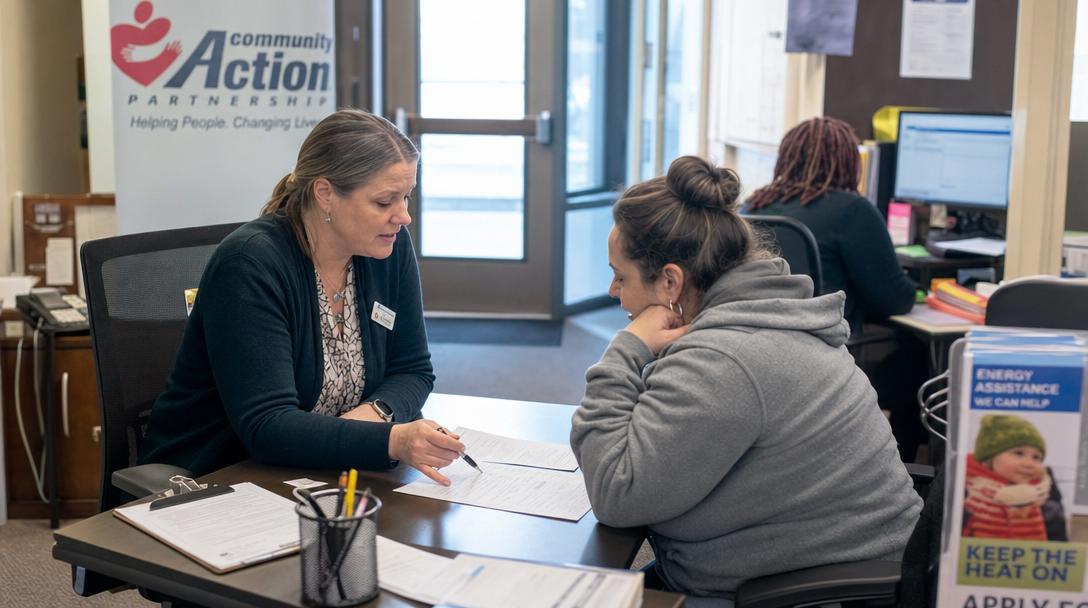
Application processes vary, but most follow a similar path. You typically contact your state or local LIHEAP office rather than your utility company directly, though your utility may provide contact information on your bill.
- Find your state's LIHEAP contact through the U.S. Department of Health and Human Services LIHEAP clearinghouse or your utility's assistance page
- Confirm whether applications are open and whether you need an appointment
- Gather income proof, identification, and recent utility bills before you apply
- Submit your application online, by mail, or in person according to local instructions
- Keep copies of everything you submit and note any confirmation number you receive
Documents You May Need to Gather
Having paperwork ready can speed up the process and reduce back-and-forth with caseworkers. Requirements differ, but you may be asked for:
- Government-issued photo identification for adults in the household
- Social Security numbers or proof of application for household members
- Proof of income such as pay stubs, benefit letters, or tax returns
- Recent utility bills showing account numbers and past-due balances if applicable
- Proof of residence such as a lease, mortgage statement, or utility bill in your name
- A shutoff notice or medical documentation if you are applying for emergency help
If you are missing a document, ask the office whether a self-declaration or alternative proof is accepted. Many agencies work with applicants who are still collecting paperwork.
What to Expect After You Apply

Processing times depend on volume and whether your case is routine or emergency. Some states issue benefits within a few weeks. Crisis applications may move faster when a shutoff date is near. Approved heating or cooling payments are usually sent directly to your utility provider rather than to you as cash.
If you are denied, you often have the right to ask why and, in some states, to request a fair hearing. Reapplying in a new season or after a change in household circumstances may lead to a different outcome.
Other Programs That Can Help With Energy Costs
LIHEAP works best when combined with other resources. Your utility company may offer payment plans, budget billing, or low-income discount rates. Weatherization programs can seal drafts and improve insulation so bills stay lower over time. Community agencies and nonprofits often maintain lists of charitable bill assistance as well.
This article is for general information only and is not legal, financial, or government advice. Program names, benefit amounts, income limits, and eligibility rules can change at any time and vary by state and household. Always confirm the latest details with the official agency or a trusted nonprofit before applying.