
How to Get Government Assistance

Government assistance programs exist to help Americans cover basics like food, housing, utilities, health care, and income during hard times. Programs are run at the federal, state, and local levels, and each has its own rules about income, household size, and need. Qualifying for one program does not automatically qualify you for another.
Many people who could use help never apply because the process feels confusing or because they assume they earn too much to qualify. In reality, eligibility cutoffs vary widely. A family that does not qualify for one type of aid may still qualify for a different program, such as school meal support, energy assistance, or Medicaid in expansion states.
This guide explains common types of government assistance, who might explore them, how applications usually work, and how to protect yourself from fraud—without promising that any reader will receive benefits.
What Government Assistance Includes
"Government assistance" is an umbrella term, not a single application. Major categories include nutrition help through SNAP and WIC, housing vouchers and public housing, Medicaid and CHIP for health coverage, TANF cash aid for very low-income families with children, unemployment insurance for job loss, and LIHEAP for home energy costs. Social Security and SSI serve older adults and people with disabilities.
Some programs pay benefits directly to you. Others pay landlords, utility companies, or health providers on your behalf.
Benefits.gov offers a questionnaire that suggests programs you may want to research.
Who May Qualify for Assistance Programs
Eligibility usually depends on household income compared to federal poverty guidelines or state-specific thresholds, countable assets for some programs, citizenship or eligible immigration status, and household composition. Seniors and people with disabilities may have higher income limits for certain benefits.
Students, workers between jobs, single parents, and two-income families can all qualify for different forms of help depending on circumstances.
How to Apply for Government Assistance

There is no master form for all aid. Start by identifying the benefit you need—food, rent, medical, or utility help—and apply through the agency that administers it. Many states combine applications for Medicaid, SNAP, and TANF through one online portal.
Call 211 or visit 211.org for referrals to local food pantries, rental assistance, and nonprofit programs that complement government aid. Public libraries often provide computer access if you lack internet at home.
Be honest on every application. Incorrect information can lead to denials, repayments, or legal trouble. If your situation changes after approval, report it as required by each program.
Documents You May Need to Apply
Requirements differ by program, but applicants often prepare:
- Photo identification and Social Security numbers for everyone in the household
- Proof of residence, such as a lease, utility bill, or mail with your name
- Pay stubs, employer letters, or tax returns showing income
- Bank statements and proof of other resources when asset limits apply
- Birth certificates or legal documents for children in the household
- Immigration documents if you are not a U.S. citizen
- Medical bills or disability documentation for certain health programs
- Shut-off notices or past-due utility bills for energy assistance
Make copies before submitting originals. Keep a folder with confirmation numbers, interview dates, and caseworker contact information.
Timelines and What Happens After You Apply

Processing times range from a few days for emergency food aid to several weeks or months for housing waitlists. SNAP and Medicaid decisions in many states arrive within 30 days, with expedited SNAP possible when income and resources are extremely low.
Housing choice vouchers and public housing often involve long waiting lists measured in months or years. Getting on the list early matters even if you do not need a unit immediately.
Denials should include a reason and appeal instructions. Missing a deadline to appeal can close your case. If approved, benefits may require periodic recertification with updated income proof.
Common Mistakes Applicants Make
Skipping programs because of stigma leaves money and services unused. Assistance exists for temporary setbacks as well as long-term need. Watch out for:
- Applying once and never following up on mail or interview requests
- Assuming one denial closes the door to all other programs
- Reporting household members incorrectly on income-based applications
How to Avoid Government Assistance Scams
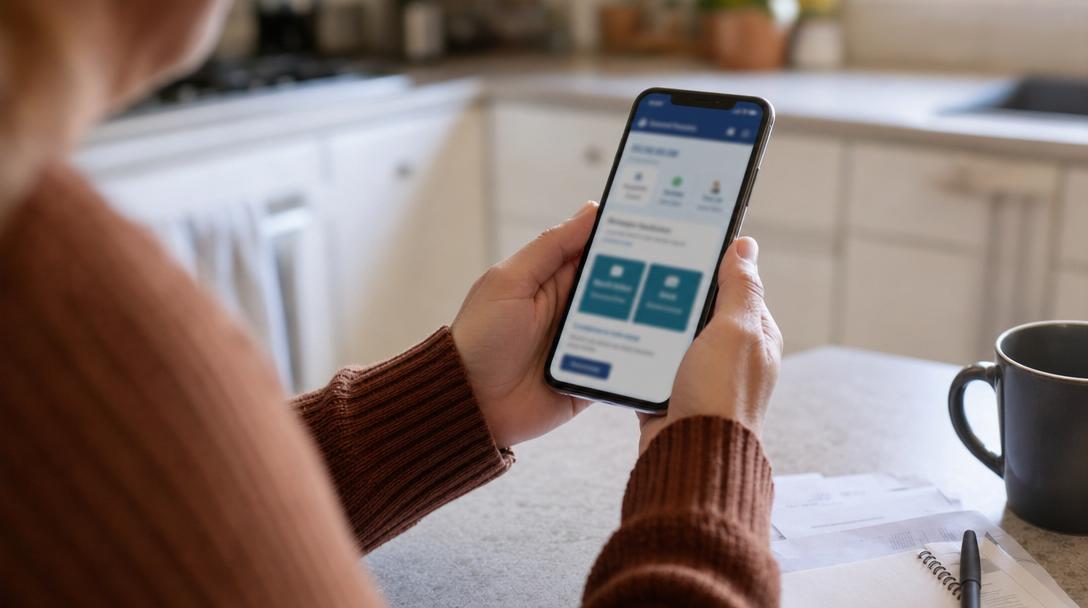
Scammers pose as caseworkers, offer to "pre-approve" benefits for a fee, or steal identities through fake application sites. Real government applications do not require payment by gift card or wire transfer.
Apply through official .gov websites and verified state portals. Type addresses manually instead of clicking ads. No one can sell you a guaranteed SNAP or Section 8 slot.
Guard your Electronic Benefits Transfer (EBT) card PIN. SSA and IRS imposters are common too—government agencies rarely demand immediate payment over the phone. Report scams to the FTC and your state attorney general.
Frequently Asked Questions
**Can I work and still receive assistance?** Many programs allow some earnings with deductions for work expenses. Income limits apply, and benefits may phase down rather than stop all at once.
**Will assistance affect my immigration status?** Public charge rules changed over recent years and do not treat most health and nutrition programs the same way. Consult a qualified immigration attorney for personal advice.
**Do I need a permanent address?** Some programs assist people experiencing homelessness using shelter addresses or mail services. Ask local providers how to apply without stable housing.
**Can college students get help?** Students face special SNAP rules but may qualify with work-study, dependents, or certain exemptions. Campus financial aid offices sometimes know local resources.
**Where do I start if I need help fast?** Call 211, visit a local food bank, or contact your county human services office for emergency rent or utility programs.
Government assistance is meant to stabilize households during difficulty, not to replace long-term planning. Learning which programs exist, gathering documents early, and applying through official channels gives you the clearest path forward. Verify eligibility and amounts with the agency that runs each program—because help varies by location, household, and timing, and no guide can promise what you will receive.
This article is for general information only and is not legal, financial, or government advice. Program names, benefit amounts, income limits, and eligibility rules can change at any time and vary by state and household. Always confirm the latest details with the official agency or a trusted nonprofit before applying.