
What are Federal Financial Assistance Opportunities?
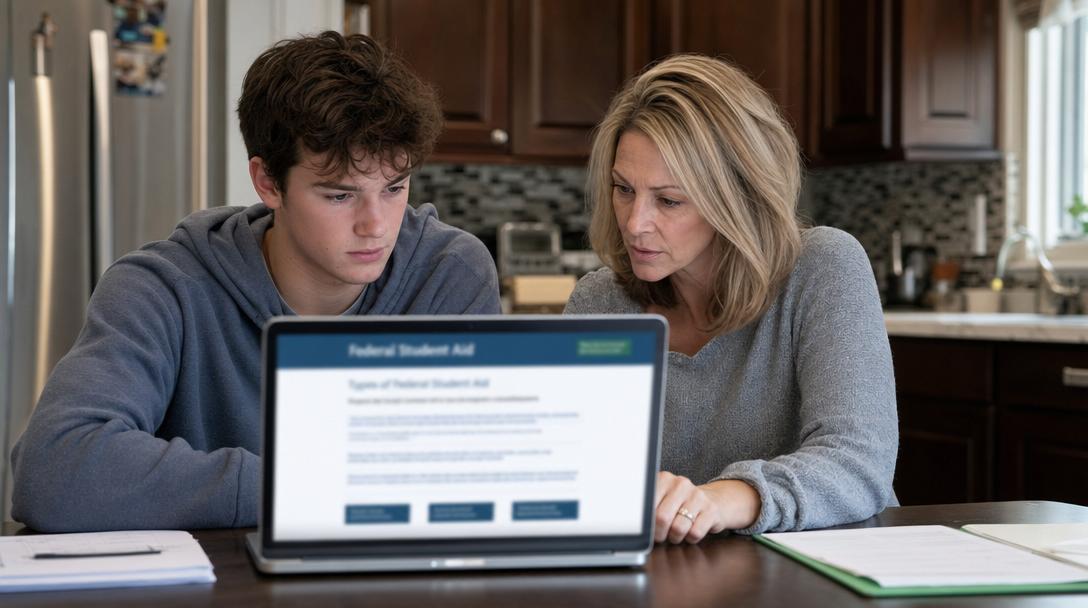
Federal financial assistance is a broad category. It includes monthly benefits for food and housing, one-time emergency grants, education aid, small-business support, and funding that flows through states before it reaches your mailbox. The programs differ in purpose, eligibility, and application process — but they share one trait: they use public dollars to address needs Congress and federal agencies have identified as national priorities.
Understanding the landscape helps you search smarter. Instead of asking whether "the government" has money available, ask which federal program matches your situation. A single parent facing eviction needs a different door than a college freshman, a disabled worker, or a rural clinic administrator.
Many people qualify for more than one type of help at the same time. Benefits are not always exclusive. Reading the rules carefully — and confirming details with official sources — prevents missed opportunities and costly mistakes. This guide walks through the major categories, how funding moves from federal agencies to local offices, and practical steps for finding programs that may fit your household or organization.
Benefits vs. Grants vs. Loans
Federal assistance arrives in several forms, and the labels matter for how you apply and what you owe later.
- **Entitlement benefits** (SNAP, Medicaid, SSI) enroll eligible people who meet income and category tests
- **Discretionary grants** award limited pools to states, nonprofits, schools, or businesses
- **Direct loans and guarantees** (student loans, SBA programs) must be repaid, often with favorable terms
- **Tax credits** (Earned Income Tax Credit) reduce tax liability or increase refunds when you file
Knowing which bucket a program falls into tells you whether to call human services, submit a grant proposal, complete a FAFSA, or work with a tax preparer.
Major Benefit Programs for Households
The largest share of federal assistance reaches households through programs administered jointly with states.
- **SNAP** helps low-income households buy groceries through monthly EBT deposits
- **Medicaid and CHIP** cover medical care for eligible children, parents, seniors, and disabled adults
- **TANF** provides temporary cash aid and work supports in participating states
- **SSI and SSDI** pay monthly income to people with disabilities meeting medical and financial tests
- **Section 8 and public housing** subsidize rent through local housing authorities
- **LIHEAP** assists with heating and cooling bills through community action agencies
Start at Benefits.gov for a personalized screening questionnaire, then follow links to your state's application portal.
Education Assistance

Federal education aid reduces training and degree costs for millions of Americans. Most student aid requires the FAFSA.
- **Pell Grants** serve undergraduates with exceptional financial need without repayment
- **FSEOG** adds campus-based aid at participating schools
- **Work-study** places students in part-time jobs with favorable earnings treatment
- **Public Service Loan Forgiveness** can discharge remaining federal student debt after qualifying employment
Adults returning to school should ask workforce boards about WIOA training vouchers for in-demand credentials.
Housing and Community Development
HUD and USDA administer programs that stabilize housing markets and keep families housed when income falls short.
- **CDBG** funds flow to cities and counties for affordable housing and community services
- **HOME Partnerships** help states fund rental assistance and home repair
- **USDA rural housing loans** support purchases and repairs in eligible areas
- **Emergency Solutions Grants** fund shelters and rapid rehousing
- **Weatherization Assistance** provides free home efficiency upgrades
Individuals rarely apply directly to HUD in Washington. They work with local housing authorities and nonprofit developers instead.
Health and Nutrition Beyond Medicaid

Federal nutrition and health programs touch schools, clinics, and dinner tables nationwide.
- **WIC** provides nutritious foods and health referrals for pregnant people and young children
- **School meal programs** offer free or reduced-price breakfast and lunch
- **Medicare Savings Programs** help limited-income seniors pay premiums and copays
- **Maternal home visiting** connects new families with nurse and social worker support
County health departments and school districts often administer these programs locally.
Small Business and Economic Development
Entrepreneurs access federal assistance through the SBA, USDA rural development, and Economic Development Administration grants.
- **SBA 7(a) and 504 loans** finance operations, equipment, and real estate
- **Disaster loans** help businesses and homeowners recover after declared emergencies
- **SBIR grants** fund research and development at qualifying firms
- **SCORE mentors and SBDC counselors** offer free application guidance
Meet with SBA resource partners before submitting complex applications.
How Federal Dollars Reach Your Community
Most assistance does not travel straight from Washington to your checking account.
- Congress appropriates funding in annual budget bills
- Federal agencies allocate money to states, tribes, or direct contractors
- State agencies publish local income limits and enrollment rules
- Cities pass CDBG and HOME funds to nonprofits and developers
- Schools, clinics, and community groups deliver services on the ground
When a program seems "federal," your first contact is almost always a state portal, county office, or nonprofit partner.
Finding Programs and Avoiding Scams
A structured search beats random web browsing. Use official tools, keep records, and follow up when timelines slip.
- Complete the Benefits.gov questionnaire and save your results
- Bookmark your state benefits portal and check for mobile app options
- Create FAFSA or Grants.gov accounts before deadline season
- Photograph every document submitted and note confirmation numbers
- If denied, read the notice — many programs allow reconsideration within strict windows
Trust official .gov domains and established nonprofits. Fee-based "grant kits" and pressure to pay by gift card are scams. Federal assistance is not a single secret check — it is a network of benefits, grants, loans, and tax supports for different life stages and crises. Map your need to the right category, then take one step today: run a Benefits.gov screening, call 211, or visit a local agency that administers federal funds.
This article is for general information only and is not legal, financial, or government advice. Program names, benefit amounts, income limits, and eligibility rules can change at any time and vary by state and household. Always confirm the latest details with the official agency or a trusted nonprofit before applying.