
Housing Choice Voucher Program Guide

Housing Choice Vouchers, often called Section 8 vouchers, help eligible renters pay part of their rent while they cover the rest. In most places, the local Public Housing Authority decides who can apply, manages the waiting list, and explains the local rules. The program is funded by the U.S. Department of Housing and Urban Development (HUD) but run at the community level, which means details can vary from one city or county to the next.
After a voucher is approved, the household still has to find a landlord willing to accept it. The unit also has to pass inspection and stay within the program's rent limits. That is why timing matters: a voucher is useful, but it still depends on finding the right home.
If you are new to the process, keep your income records, ID, and contact information in one place. Waiting lists can be long, and simple mistakes can slow things down. A little organization can make the whole search less stressful.
What the Housing Choice Voucher Program Is
The Housing Choice Voucher Program helps low-income families, seniors, and people with disabilities afford safe housing in the private market. The voucher travels with the renter—you choose a unit that meets program standards, and if the landlord agrees, the housing authority pays part of the rent directly to the owner.
Your household typically pays about 30 percent of its adjusted monthly income toward rent and utilities. The voucher covers the rest, up to a local payment standard. If the rent exceeds that standard, you may need to pay the difference unless local rules allow an exception. Demand often exceeds available vouchers, so understanding the basics before you apply helps set realistic expectations.
Who May Be Eligible
Eligibility is based mainly on income, household size, and citizenship or eligible immigration status. Most applicants must earn less than 50 percent of the median income for their area, though many vouchers go to households at or below 30 percent because of local preference rules.
The housing authority counts wages, benefits, pensions, and other income. Household composition and disability status can affect both eligibility and waiting list priority. A criminal background check may be required, and some convictions can affect eligibility depending on local policy.
How to Apply Through Your Local Housing Authority
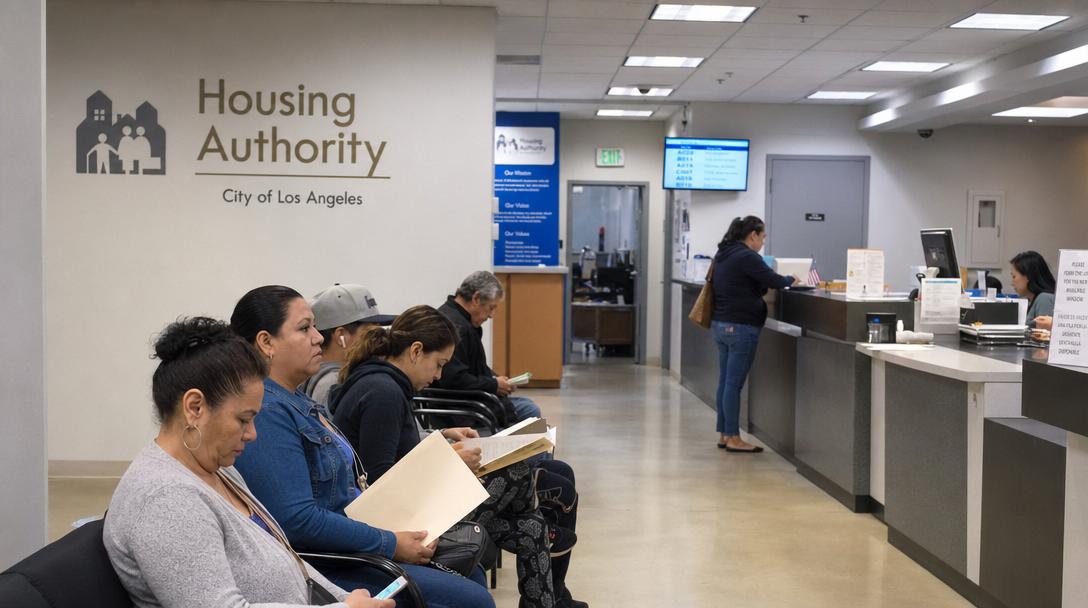
Applications are handled by your local Public Housing Authority (PHA), not HUD directly. Search online for the housing authority serving your city or county, or call 211 for help finding the right office.
When a waiting list opens, you may apply online, by mail, or in person. Some lists open only briefly every few years. Sign up for alerts if offered, and keep copies of everything you submit.
During the application, you will provide household size, income sources, and contact details. You may need to submit proof of income and identity later, so respond quickly when the housing authority requests documents.
Understanding Waiting Lists and Preferences
Most housing authorities maintain waiting lists because demand exceeds supply. Wait times can range from months to several years.
Many PHAs use preferences for households experiencing homelessness, those paying more than half their income for rent, veterans, seniors, or people with disabilities. If you move while on a list, update your address immediately—missing a notice is a common reason people lose their place.
What Happens After You Receive a Voucher

When your name reaches the top of the list, the housing authority invites you to an eligibility interview. If approved, you receive a voucher with a search period—often 60 to 120 days—to find a suitable unit. Extensions may be available in some cases, but they are not automatic.
You can search for apartments, townhomes, or single-family rentals. The unit must pass inspection for basic health and safety standards before you move in. Once the lease is signed, the housing authority sends its share of rent to the landlord each month while you pay your portion.
Rent Limits, Inspections, and Lease Rules
Each housing authority sets a payment standard based on local market rents. Choosing a unit below the standard may lower your out-of-pocket costs. Landlords must pass inspection, and re-inspections may occur periodically.
Breaking lease rules, failing to report income changes, or allowing unauthorized people to live in the unit can jeopardize your voucher.
Tips for Finding a Landlord Who Accepts Vouchers
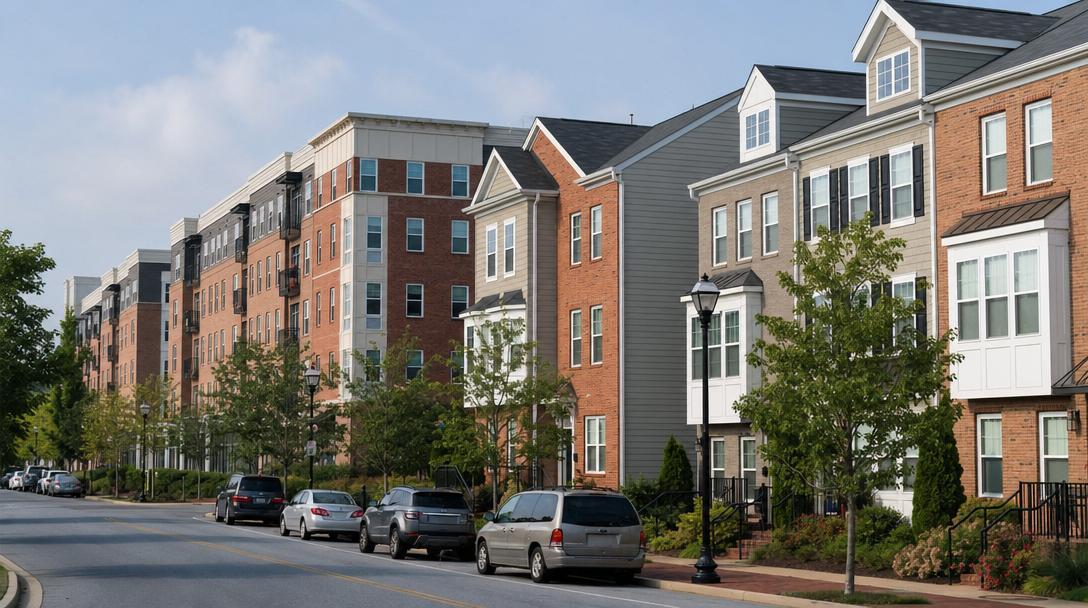
Not every landlord accepts Housing Choice Vouchers, even in areas where discrimination based on source of income is illegal. Start your search early and be upfront about using a voucher when you call or tour units. Professional communication can make a difference when owners have multiple applicants.
Bring your voucher paperwork to showings and respond quickly when a landlord is interested. If you believe a landlord illegally refused your voucher, document what happened and ask a fair housing organization whether your area protects source-of-income discrimination.
Useful places to look include:
- Local housing authority lists of participating landlords
- Nonprofit housing counselors and tenant resource centers
- Online rental platforms, filtering for "Section 8 accepted" when available
- Community groups, churches, and social service agencies that track voucher-friendly owners
Reporting Changes and Staying in Good Standing
While you have a voucher, report changes in income, household size, or address promptly. Annual recertification requires updated income documents. If you need to move, ask your housing authority about portability rules before you relocate.
Where to Get Help If You Are Stuck
The voucher process can feel overwhelming, especially during a housing search. Free help is often available through:
- Your local Public Housing Authority client services desk
- HUD-approved housing counseling agencies
- Legal aid organizations that handle tenant and voucher issues
- The national 211 helpline for local referrals
If you believe a landlord illegally refused your voucher, document what happened and ask a fair housing organization whether your area protects source-of-income discrimination.
The Housing Choice Voucher Program can make stable housing more affordable, but success usually depends on patience, paperwork, and persistence. Start gathering documents early, stay reachable while you wait, and confirm current income limits, waiting list status, and local rules with your Public Housing Authority before you apply.
This article is for general information only and is not legal, financial, or government advice. Program names, benefit amounts, income limits, and eligibility rules can change at any time and vary by state and household. Always confirm the latest details with the official agency or a trusted nonprofit before applying.