
What to Know About These HUD Support Options
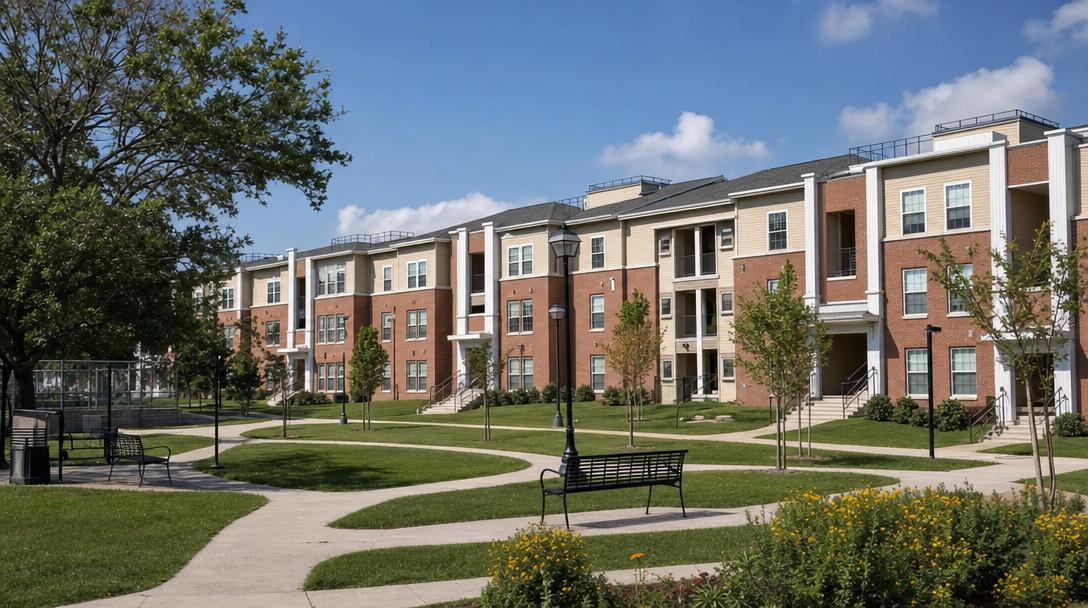
The U.S. Department of Housing and Urban Development, known as HUD, oversees a wide range of programs that touch renting, buying, repairing, and developing homes. Most people hear about Section 8 vouchers, but HUD support also includes public housing, fair housing enforcement, counseling services, and grants that help communities build affordable units.
HUD does not usually take rental applications at a national call center. Instead, it funds and sets rules for local Public Housing Authorities, state agencies, and approved nonprofits that run programs on the ground. That is why two families with similar incomes can have very different experiences depending on where they live.
Before you apply anywhere, it helps to know which HUD-related option matches your goal—lower rent, safer conditions, homeownership, or emergency help. This guide walks through the major categories so you can ask better questions and avoid dead ends.
HUD's Role in Housing Assistance
HUD develops policy, provides funding, and monitors compliance for housing programs across the country. It publishes income limits used by many assistance programs and sets fair housing standards that protect against discrimination based on race, color, religion, sex, disability, familial status, or national origin.
While HUD sets the framework, day-to-day decisions happen locally. Housing authorities determine when waiting lists open, how preferences work, and which landlords participate in voucher programs. State agencies may administer HOME grants or disaster recovery funds with HUD oversight.
If you need help today, your local housing authority or a HUD-approved housing counselor is usually the right first contact—not a generic HUD mailing address.
Housing Choice Vouchers and Public Housing
The Housing Choice Voucher Program helps eligible renters afford private-market units. Tenants pay a portion of income toward rent, and the voucher subsidizes the rest. Public housing places tenants in government-owned developments with income-based rent.
Both programs use HUD income limits and require recertification. Waiting lists are common. Public housing units are tied to specific buildings, while vouchers move with the tenant if portability rules allow.
Some PHAs also administer moderate rehabilitation programs or special vouchers for veterans, people with disabilities, or those leaving homelessness. Ask whether your housing authority offers specialized vouchers beyond the general waiting list.
Project-Based Rental Assistance
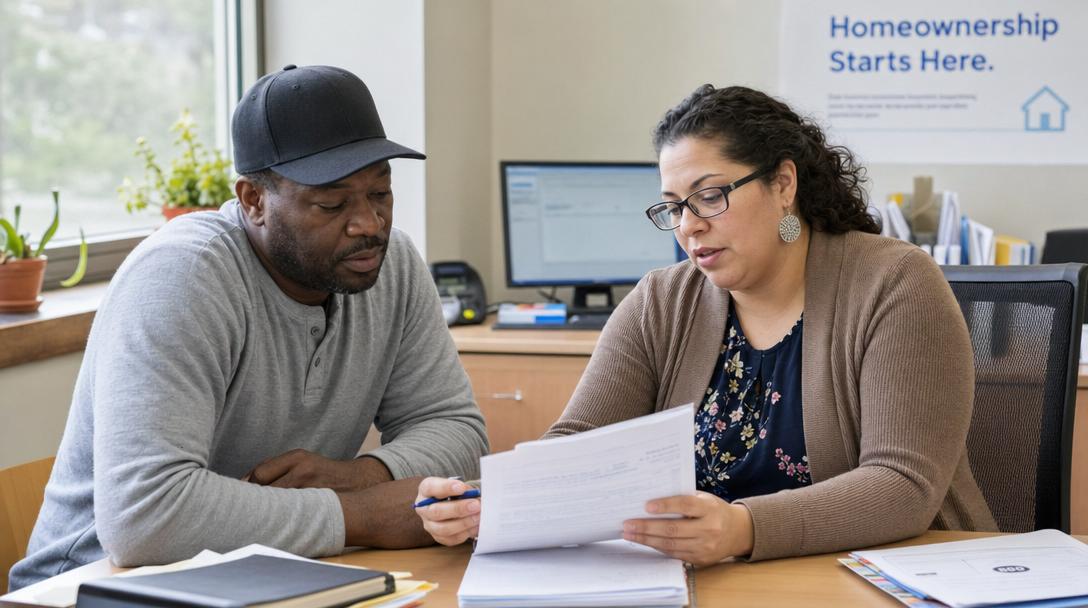
Project-based rental assistance attaches subsidies to particular buildings rather than individual tenants. HUD contracts with private owners to keep rents affordable for low-income residents. When you live in such a building, you benefit from reduced rent without holding a separate tenant voucher.
If you move out, the subsidy stays with the unit for the next qualified tenant. Some mixed-income developments combine project-based assistance with market-rate units. Waiting lists may be maintained by the property manager rather than the housing authority.
Search for HUD-assisted properties in your area through HUD's online databases or by asking local housing counselors which buildings accept income-qualified applicants.
FHA Loans and Homeownership Programs
HUD's Federal Housing Administration insures mortgages for qualifying buyers who might not meet conventional loan standards. FHA loans often allow lower down payments, but borrowers pay mortgage insurance premiums and must meet credit and debt-to-income requirements.
HUD also supports counseling for first-time buyers and may connect to local down payment assistance funded through state housing finance agencies. Native American housing programs and reverse mortgage counseling for seniors fall under related HUD offices.
Homeownership programs take time—budget for appraisals, inspections, and classes that some grants require before funds are released.
HOME and Community Development Block Grants
The HOME Investment Partnerships Program provides funds to states and local governments to build, buy, or rehabilitate affordable housing. Community Development Block Grants (CDBG) support broader community needs, including housing rehabilitation, infrastructure, and services that prevent homelessness.
These dollars often flow through your city or county community development department. They may fund owner-occupied repair loans, rental development, or tenant-based rental assistance during emergencies.
Because CDBG and HOME projects vary by community, there is no single national application. Check your city or county housing or community development website for open programs.
Fair Housing Protections and Complaints
HUD enforces the Fair Housing Act, which prohibits discrimination in renting, selling, financing, and advertising housing. If a landlord refuses your voucher in an area with source-of-income protection, or denies you because of disability, race, or family status, you may file a complaint with HUD's Office of Fair Housing and Equal Opportunity.
Fair housing covers reasonable accommodations too. A tenant with a disability may request policy changes or modifications, such as a assigned accessible parking space or permission for a support animal, depending on the situation.
Document incidents with dates, names, and copies of messages. Local fair housing organizations can help you file and understand your rights.
Housing Counseling and Education
HUD-approved housing counseling agencies offer free or low-cost guidance on renting, buying, avoiding foreclosure, and improving credit. Counselors can explain how voucher rent calculations work, whether you should pursue a loan modification, or how to prepare for homeownership classes.
Counselors do not guarantee approval for assistance, but they help you organize documents and understand timelines. Find agencies near you through HUD's housing counselor search tool online.
Disaster and Special Recovery Programs

After major disasters, HUD may allocate supplemental funds for rebuilding affordable housing and repairing damaged units. These programs often operate through state disaster recovery offices with unique deadlines and eligibility tied to the event.
Tenants and homeowners in declared disaster areas should register with FEMA when prompted and ask how HUD recovery funds interact with other aid so they do not duplicate benefits incorrectly.
How to Verify Information and Avoid Scams
HUD impersonation scams are common. Official agencies will not ask for payment to move you to the top of a Section 8 list or request gift cards to "unlock" benefits. Apply only through your housing authority's official website or office.
Cross-check income limits and program names on HUD.gov. Be skeptical of social media ads promising "$1 HUD homes for everyone" without explaining strict eligibility and property condition requirements.
Keep copies of every form you submit and note the name of any representative you speak with.
Taking Your Next Step
HUD support options work best when you match the program to your housing goal and location. Renters facing long-term affordability challenges should explore voucher and project-based lists. Homeowners struggling with repairs should ask about local CDBG or HOME-funded rehab. Buyers should connect with FHA-approved lenders and housing counselors.
Make a short list of two or three programs that fit your situation, gather basic documents, and contact the local office that administers each one. Rules and funding change, so confirm the latest details with the official agency before you apply.
This article is for general information only and is not legal, financial, or government advice. Program names, benefit amounts, income limits, and eligibility rules can change at any time and vary by state and household. Always confirm the latest details with the official agency or a trusted nonprofit before applying.