
What is the HUD $1 Home Program?
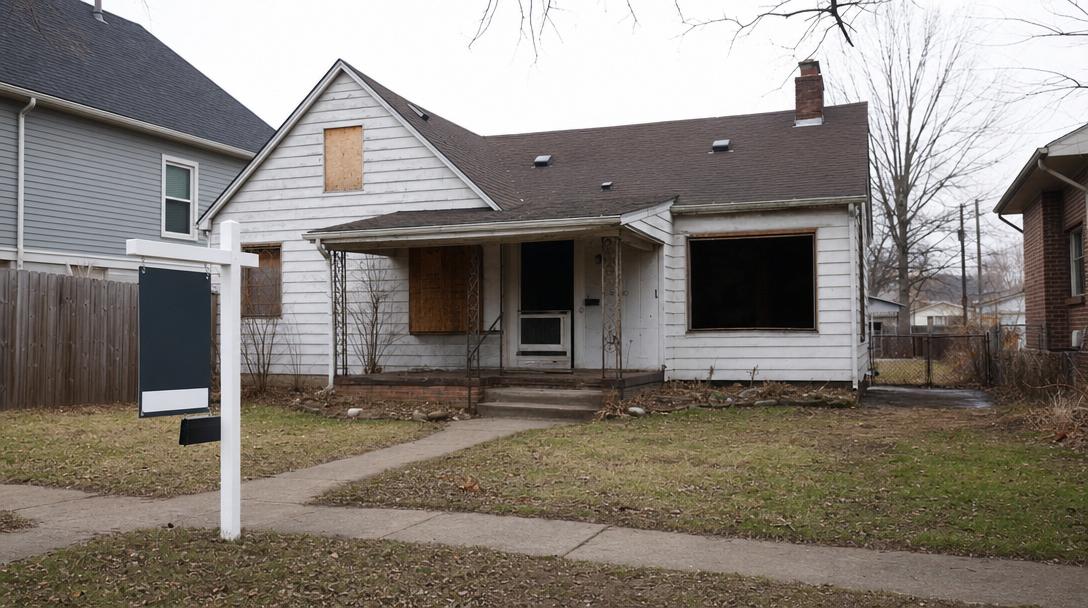
You may have seen headlines or online ads about HUD selling homes for one dollar. The idea sounds almost too good to be true—and in most cases, everyday homebuyers should treat it with caution. There is a real federal framework behind low-cost HUD homes, but it is narrower than many ads suggest.
HUD acquires properties when owners default on FHA-insured mortgages. Those homes are usually sold through the HUD Home Store to recover losses, often at market or discounted prices—not routinely for a single dollar to the general public. The "$1 home" concept more often refers to special local initiatives aimed at community redevelopment, not a nationwide bargain open to everyone.
Understanding what is real, what is local, and what is misleading can save you time and protect you from scams. This guide explains how HUD home sales actually work and where the dollar-home idea fits in.
Where the $1 Home Idea Comes From
The phrase "HUD $1 home" often blends several separate ideas. In the 1990s and early 2000s, some cities acquired vacant HUD-owned properties through special programs to fight blight. Local governments—not individual buyers—were frequently the entry point, and media coverage left the "$1" label in public memory.
Today, social media posts sometimes recycle old stories or confuse local dollar-home ordinances with a current national HUD giveaway. HUD's main sales channel remains the HUD Home Store, where homes are listed with prices based on appraised value and condition. If someone promises any HUD home for one dollar with no strings attached, ask which legal program they mean and request written rules from an official source.
How HUD Acquires and Sells Homes
When a borrower stops paying an FHA-insured mortgage, the lender forecloses and HUD pays the insurance claim. HUD then takes title and lists the property for sale through registered brokers and online bidding. Prices reflect market conditions, repair needs, and HUD's goal to minimize losses to the insurance fund.
Homes are sold as-is, meaning the buyer accepts responsibility for repairs. Search listings at HUD Home Store.gov and work with a HUD-approved broker in your state.
Who Might Access Low-Cost or Dollar-Home Programs
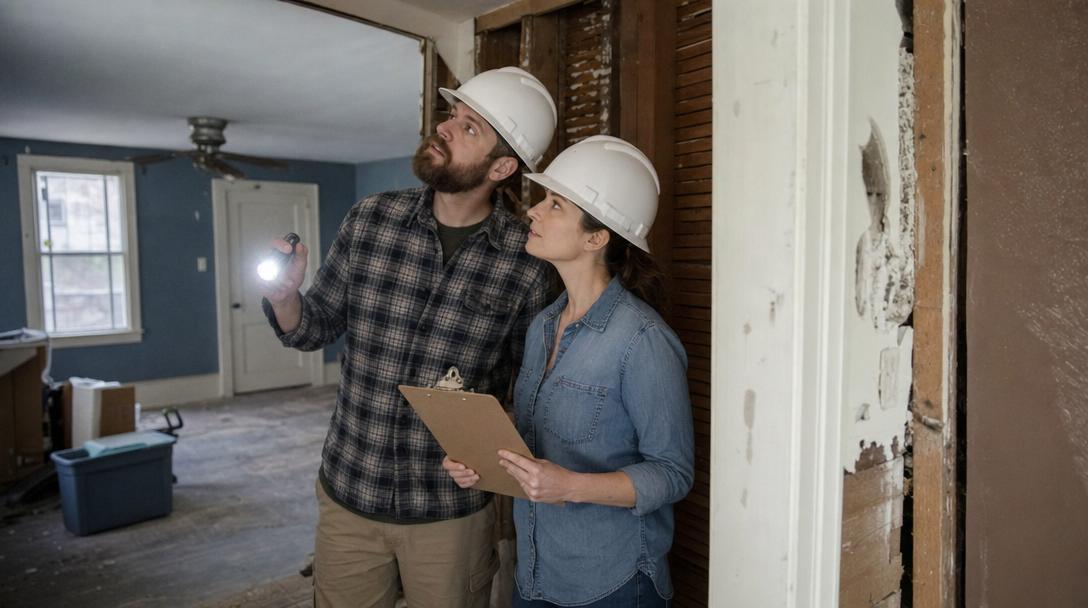
True dollar-home opportunities, when they exist, usually flow through local governments or nonprofits trying to eliminate vacant structures. A city might transfer a tax-foreclosed or HUD-acquired property to a community land trust or qualified buyer who commits to renovation and occupancy within a set timeline.
Individual buyers may participate only if local law and funding allow. Investors are often excluded from initial priority periods on HUD Home Store listings but still pay more than one dollar when purchasing.
What Buyers Should Expect Financially
Even when a home's purchase price is symbolic, the total cost rarely stays at one dollar. Budget for required repairs, back taxes or liens in some jurisdictions, closing costs, and ongoing property taxes and insurance.
HUD homes frequently need substantial work—a low sticker price can still mean tens of thousands in renovation expenses. Get professional inspections and repair estimates before you commit. Some buyers use FHA 203(k) renovation loans to finance purchase and repairs together, but credit, contractor, and timeline rules apply.
The HUD Home Store vs. Local Dollar Initiatives
The HUD Home Store is the official inventory of HUD-owned properties nationwide. Listings show asking prices, property condition notes, and bid deadlines. It is transparent but competitive.
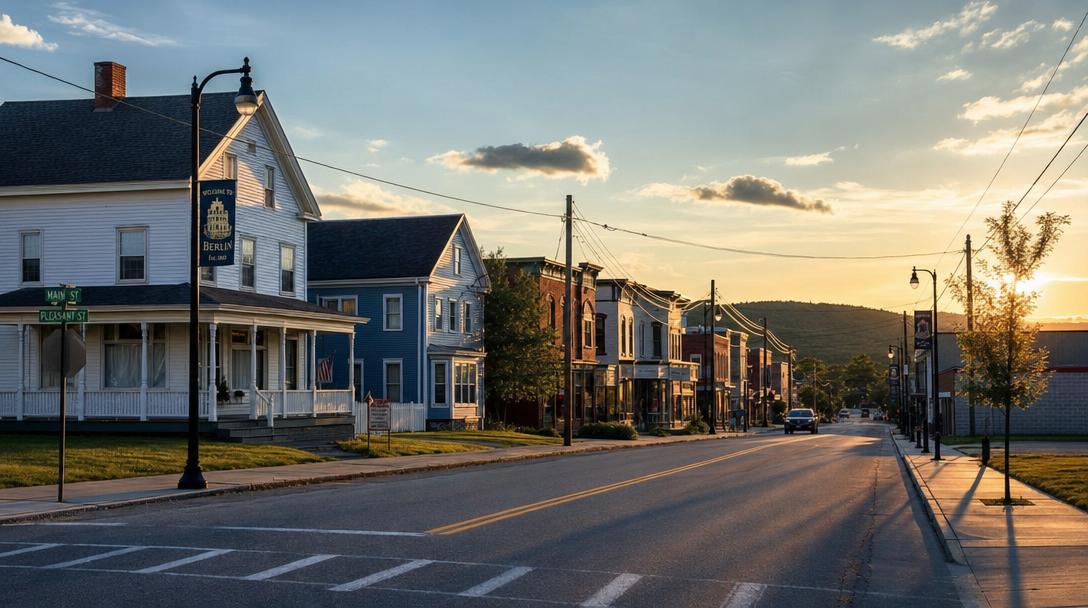
Local dollar-home programs are not listed there as "$1" nationwide specials. They appear in city press releases, community development office announcements, or land bank newsletters. Application windows may be short and limited to specific neighborhoods targeted for revitalization. Never pay a third party for a "secret list" of dollar homes.
Red Flags and Common Scams
Fraudsters exploit hope around cheap housing. Warning signs include:
- Upfront fees to reserve a HUD home or hold a dollar-home slot
- Requests for wire transfers or gift cards to "verify eligibility"
- Guarantees of approval regardless of income or credit
- Pressure to sign paperwork without a licensed agent or attorney review
HUD and local housing offices do not charge the public for access to application forms. Verify any offer by calling the housing authority or community development department using a phone number from an official website—not a number from an unsolicited message.
Steps If You Want a HUD-Owned Home
Start by creating an account on the HUD Home Store and finding a HUD-registered broker. Identify neighborhoods you can realistically afford to repair and insure. Get pre-approved for financing so you can bid within deadlines.
Owner-occupant buyers may receive an initial exclusive bidding period before investors can compete. Follow instructions exactly; missed signatures or wrong bid amounts disqualify offers.
If your city advertises a dollar-home or land bank program, read the fine print on occupancy requirements, renovation timelines, and penalties for walking away mid-project.
Alternatives When a $1 Home Is Not Available
Most households will not match dollar-home program criteria. Other paths to affordable ownership include:
- FHA loans with low down payment requirements for qualifying credit profiles
- State and local down payment assistance grants
- Lease-purchase arrangements through nonprofit developers
- Good Neighbor Next Door, which offers discounts to certain teachers, law enforcement, firefighters, and EMTs in revitalization areas when inventory exists
Renters can parallel-track Housing Choice Voucher applications while exploring ownership options later.
Questions to Ask Before You Apply
Bring these questions to any official representative:
- Is this program currently active, or is the listing referencing an old initiative?
- Must I live in the home for a minimum number of years?
- What repairs are mandatory, and who inspects completion?
- Can I sell the property later, and are profits capped?
- What happens if I cannot finish renovations on time?
Written answers protect you if staff turnover or policy changes create confusion later.
The HUD $1 home idea points to real efforts to fight vacancy and rebuild neighborhoods, but it is not a universal discount store for homebuyers. Treat official HUD Home Store listings and verified local programs as separate paths, do your repair math honestly, and confirm every detail with the agency running the program before you send money or sign a contract.
This article is for general information only and is not legal, financial, or government advice. Program names, benefit amounts, income limits, and eligibility rules can change at any time and vary by state and household. Always confirm the latest details with the official agency or a trusted nonprofit before applying.