
Up to $1,421 is Available for Groceries Every Month
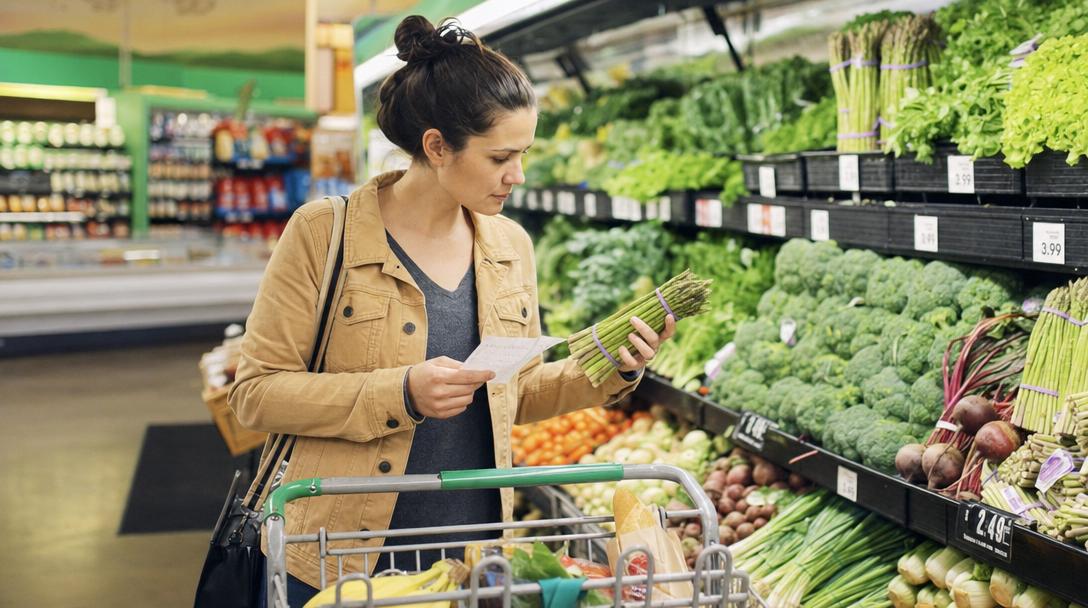
Grocery prices add up quickly, and many households look for programs that can stretch a food budget without adding debt. The Supplemental Nutrition Assistance Program, known as SNAP, is the largest federal food assistance program in the United States. Benefits are loaded monthly onto an Electronic Benefits Transfer card that works like a debit card at approved retailers.
The amount in this article's title reflects a maximum monthly SNAP benefit that may apply to larger households under current federal guidelines. Most households receive less than the top amount because SNAP benefits are calculated from income, expenses, and family size. Your state administers the program and makes the final eligibility determination based on the information you provide.
Understanding how SNAP benefit levels are set can help you plan realistically. This guide explains what the headline figure means, who might qualify for higher amounts, and how to check what your household could receive if approved.
How SNAP Benefit Amounts Are Calculated
SNAP does not pay a flat dollar amount to everyone who qualifies. The USDA sets maximum allotments by household size each federal fiscal year. Caseworkers then subtract a portion of your countable income according to program rules. Deductions for certain expenses, such as shelter costs above a threshold or medical costs for older adults and people with disabilities, can increase the benefit in some cases.
The result is a net monthly benefit that may range from a modest supplement to an amount closer to the maximum for households with very low income and limited resources. Because calculations involve several steps, two neighbors with similar jobs could receive different amounts based on rent, utilities, and household composition.
What the $1,421 Figure Represents
Federal law establishes maximum monthly allotments that increase with household size. For the largest standard household categories, the top allotment has reached levels around $1,421 in recent benefit years. That figure applies to the upper end of the scale, not to a single person or a couple shopping alone.
Smaller households have lower maximums. A one-person household, for example, has a much smaller cap than a family of five. States may also apply simplified reporting or emergency allotments during certain periods, which can temporarily change what appears on an EBT card. Always confirm current amounts with your state SNAP office because figures update when federal rules change.
Who Might Receive Higher Monthly Benefits
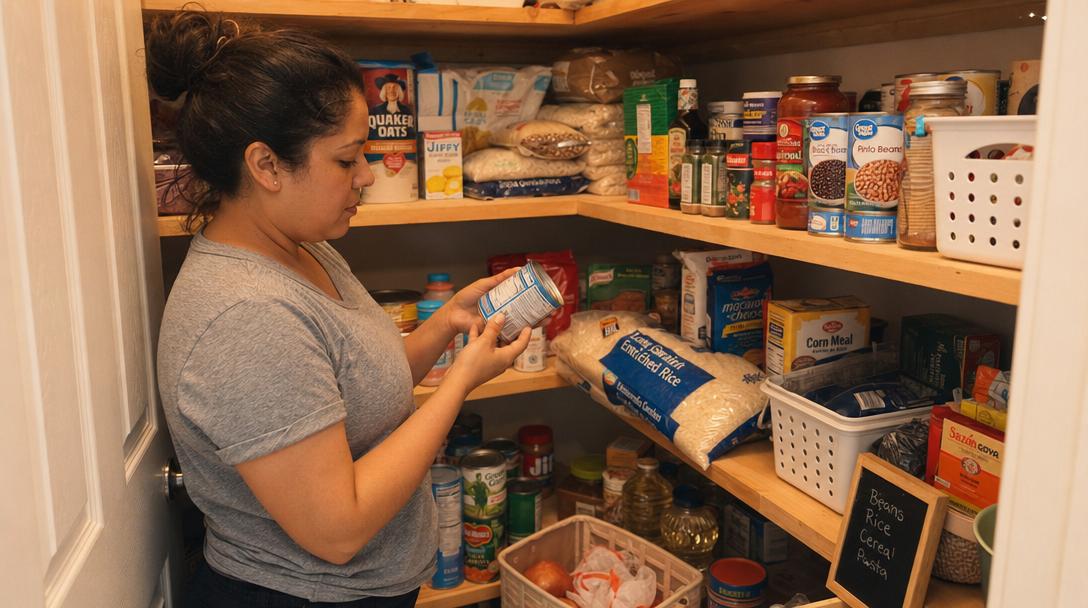
Higher SNAP amounts generally go to households with more members and less countable income. Working families, seniors on fixed incomes, and households with high housing costs relative to earnings may qualify for larger allotments even if someone in the home has a job.
Factors that can influence a higher benefit include:
- Larger household size with more people to feed
- Very low net income after SNAP deductions are applied
- High shelter or utility costs that qualify for an excess shelter deduction
- Ongoing medical expenses for eligible elderly or disabled members
- Limited countable assets, since some resources can affect eligibility in certain states
Receiving the maximum is not automatic for any group. Each application is reviewed individually.
What You Can Buy With SNAP Benefits
SNAP is intended for food for home preparation and consumption. Approved items typically include fruits, vegetables, meat, dairy, bread, cereals, and non-alcoholic beverages. Seeds and plants that produce food for the household may also be eligible where state systems allow those purchases.
SNAP generally cannot be used for hot prepared foods sold for immediate consumption, alcohol, tobacco, vitamins labeled as supplements, or non-food items such as cleaning supplies and pet food. Some states participate in Restaurant Meals Programs for certain elderly, disabled, or homeless SNAP participants, but that is not available everywhere.
Applying Through Your State SNAP Agency

SNAP applications are handled by state agencies, often under names such as Department of Social Services or Health and Human Services. You can usually apply online, by phone, by mail, or in person. The process includes an interview, either by phone or face to face, where you confirm details about income, expenses, and household members.
When you apply, report all required income sources honestly, including wages, self-employment, Social Security, unemployment, and child support. Missing information can delay approval or lead to incorrect benefit amounts. Many states offer pre-screening tools that estimate eligibility without submitting a full application.
Documents That Help Your Application Move Faster
Gathering paperwork before you start can reduce delays. While exact lists vary, commonly requested items include:
- Photo identification and Social Security numbers for household members
- Proof of income such as recent pay stubs, employer statements, or benefit award letters
- Rent or mortgage statements and utility bills to verify shelter costs
- Child care bills if you pay for care while working or in training
- Medical expense receipts for household members who are elderly or have disabilities
If you cannot locate a document, ask whether a written statement or alternative verification is acceptable. Caseworkers often work with applicants who are rebuilding records after a move or job change.
Using Your EBT Benefits Wisely Each Month
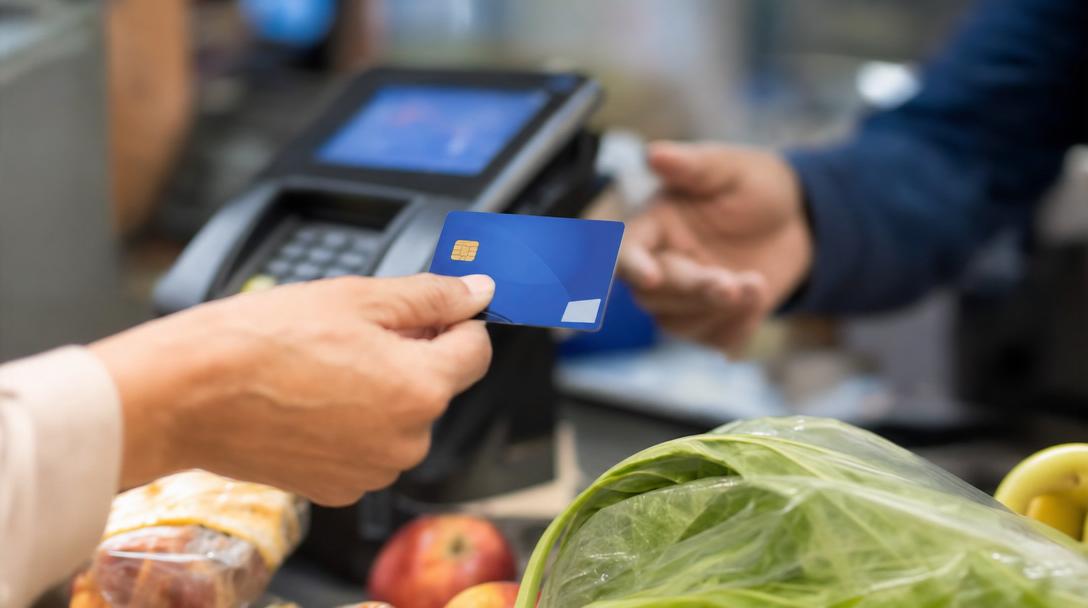
SNAP benefits are issued once per month on a set schedule that varies by state. Planning meals around sales, buying store brands, and using farmers markets that accept EBT can help benefits last through the month. Some states match SNAP dollars at markets through incentive programs, which may stretch purchasing power when available locally.
Keep track of your balance by saving receipts or checking your state EBT portal or phone app. Report changes in income, address, or household size promptly so your benefit amount stays accurate and you remain in compliance with program rules.
Other Food Help When SNAP Is Not Enough
SNAP is one part of a broader food support network. Food banks, pantries, and meal programs can supplement groceries when benefits run low before the next deposit. WIC provides targeted nutrition support for pregnant people, new parents, and young children. School meal programs and summer feeding sites help families with children.
If you are unsure where to start, calling 211 in many areas connects you with local resources. Exploring several programs at once is common and can be a practical way to cover gaps that a single monthly allotment does not fully address.
This article is for general information only and is not legal, financial, or government advice. Program names, benefit amounts, income limits, and eligibility rules can change at any time and vary by state and household. Always confirm the latest details with the official agency or a trusted nonprofit before applying.