
No SNAP? No Problem - Other Food Assistance Available
SNAP helps millions of households buy groceries each month, but not everyone qualifies, and some people have not yet applied. Others may receive a small SNAP allotment that does not cover the full month. If SNAP is not an option for you right now, or if you need additional help beyond what your EBT balance provides, other food assistance programs and community resources may still be available.
Food support in the United States comes from federal, state, local, and charitable sources. Programs differ in who they serve, what they provide, and how often you can use them. This guide outlines major alternatives to SNAP and sensible first steps for finding help in your community.
WIC for Parents, Infants, and Young Children
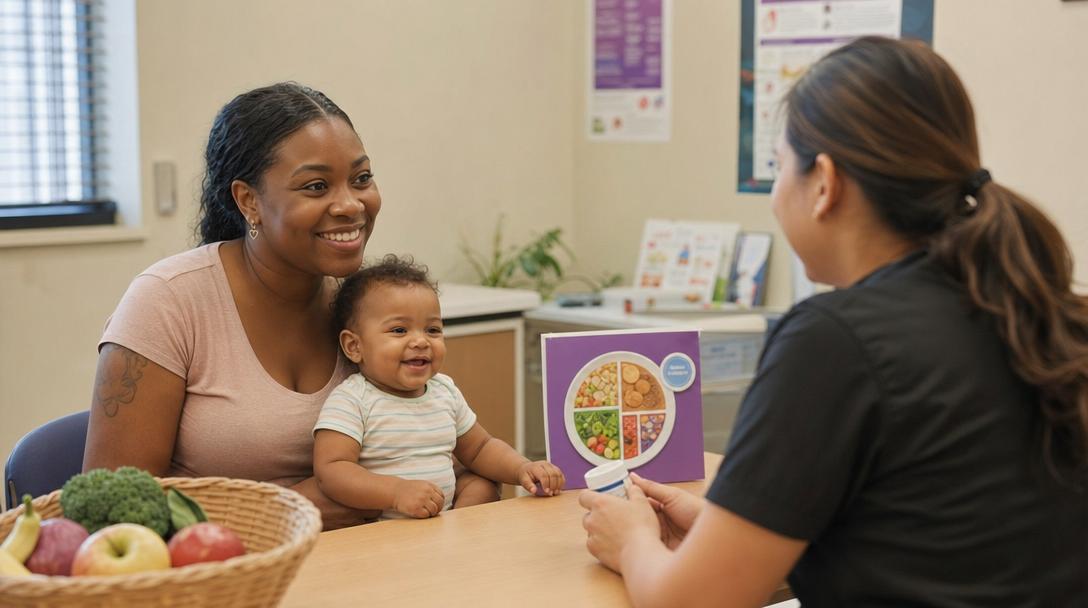
The Special Supplemental Nutrition Program for Women, Infants, and Children, called WIC, provides nutritious foods, nutrition education, breastfeeding support, and referrals to health care. WIC serves pregnant and postpartum people, breastfeeding parents, infants, and children up to age five who meet income guidelines and nutritional risk criteria.
WIC benefits are more targeted than SNAP. Participants receive a specific list of approved items such as infant formula, milk, eggs, whole grains, fruits, and vegetables rather than an open-ended monthly balance. WIC operates separately from SNAP, and receiving one does not automatically disqualify you from the other when you meet both sets of rules.
Applications go through state or local WIC clinics. Appointments often include a brief health screening. If you care for a young child or are expecting, WIC may be worth exploring even when SNAP is unavailable or insufficient.
School Meals and Summer Feeding Programs
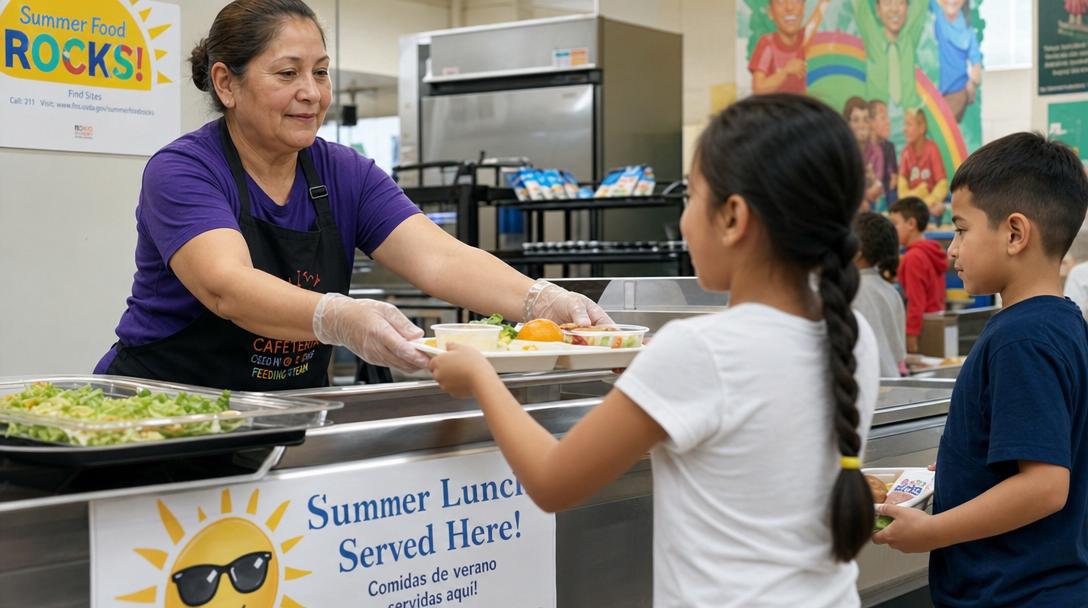
The National School Lunch and School Breakfast programs provide free or reduced-price meals to eligible students. Schools determine eligibility through applications or through direct certification linked to SNAP or other programs. Even families who do not receive SNAP may qualify based on income.
During summer months, related programs offer meals at schools, parks, and community sites when classes are not in session. Contact your school district or state education agency for current local options. Families often use:
- Free or reduced-price breakfast and lunch during the school year
- After-school snack or supper programs where schools offer them
- Summer meal sites that serve children and teens at no charge
- P-EBT or similar state grocery credits when authorized for your area
These programs can significantly ease monthly grocery pressure for households with school-age children.
Food Banks, Pantries, and Mobile Distributions
Charitable food networks operate in nearly every county. Regional food banks supply local pantries, soup kitchens, and mobile routes that bring boxes or bags of groceries to neighborhoods and rural areas. The Emergency Food Assistance Program, or TEFAP, adds USDA commodities to many pantry shelves.
Pantry rules vary. Some allow weekly visits. Others provide monthly boxes. Mobile pantries often use drive-through lines with pre-packed boxes. Finding schedules on a food bank website or through 211 is usually the fastest way to locate a nearby distribution.
Senior Nutrition Programs
Older adults may access meals through the Older Americans Act nutrition programs, often called congregate or home-delivered meals. Congregate sites serve lunch at senior centers and community locations, sometimes with suggested donations rather than required fees. Home-delivered meals, commonly associated with Meals on Wheels programs, bring food to seniors who have difficulty shopping or cooking.
Eligibility typically focuses on age, generally sixty and older, and sometimes disability or isolation factors. Income may affect whether a donation is suggested but does not always limit participation. Area Agencies on Aging can explain what is offered locally and how to enroll.
Senior farmers market nutrition programs in some states provide coupons for fresh produce during market season. Availability depends on state funding and participating markets.
Soup Kitchens and Community Meal Sites
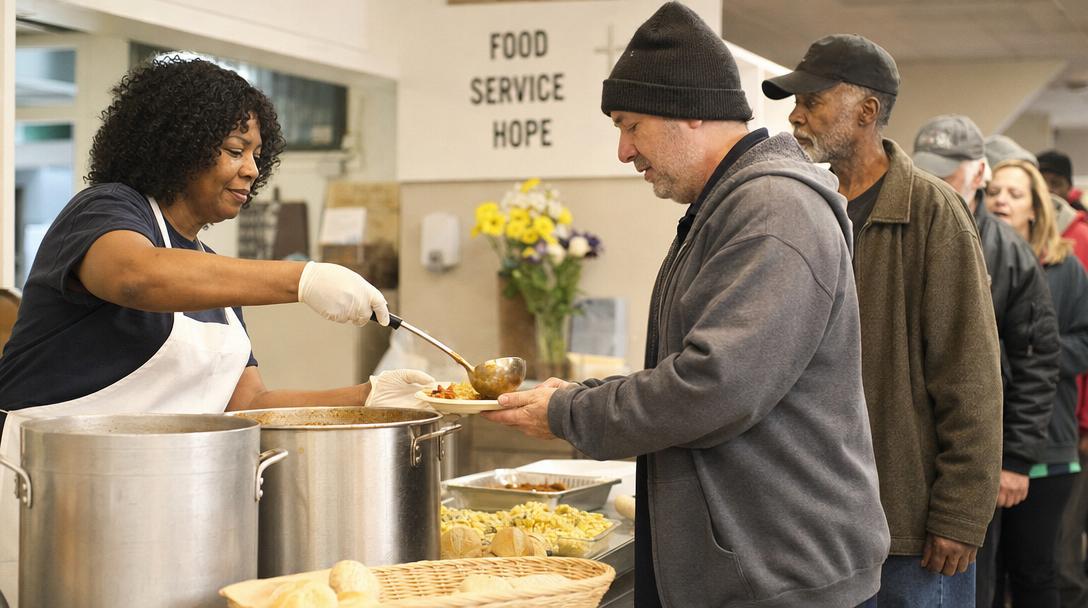
Soup kitchens and community meals serve prepared food on site, often free of charge, without a lengthy application. Meals may be offered daily, weekly, or on specific days. They work best combined with pantry visits or other shopping assistance.
CSFP Food Boxes for Seniors
The Commodity Supplemental Food Program, CSFP, provides monthly boxes of USDA foods to low-income adults aged sixty and older. Not every state participates, but where it operates, CSFP complements pantry food with predictable monthly items. Application goes through state agencies or local distributors similar to TEFAP partners.
CSFP is separate from SNAP and from home-delivered meals. Some seniors use all three when eligible. Check whether your state administers CSFP and whether waiting lists apply in your area.
How to Search for Help Near You
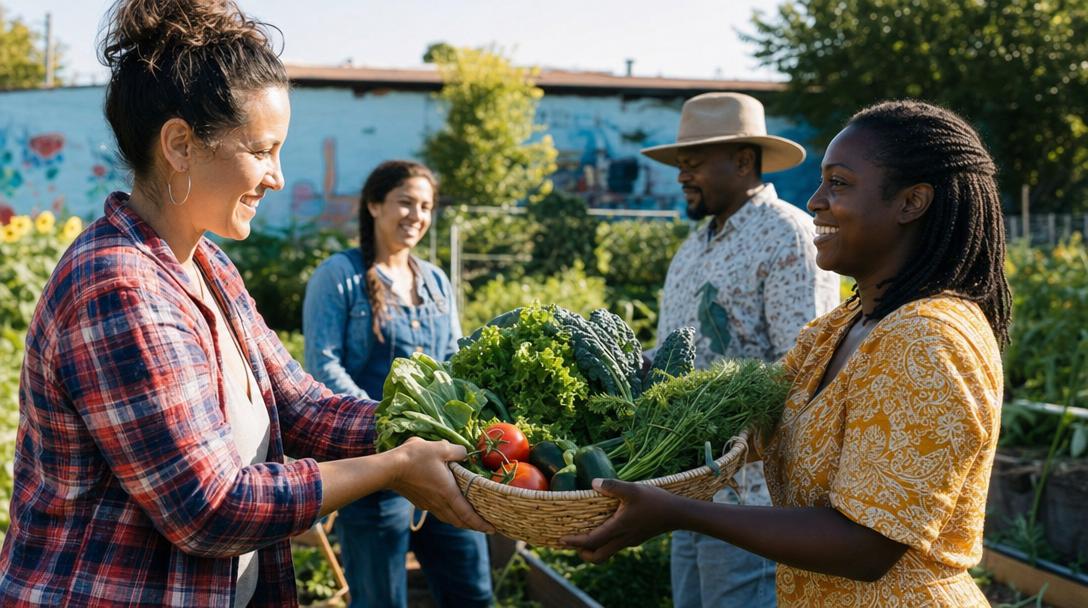
Starting with a few reliable entry points saves time when you need food quickly.
- Dial 211 in many regions for referrals to pantries, meals, and benefits counseling
- Visit Feeding America or your state food bank website and use a pantry locator tool
- Ask social workers, clinic staff, or faith community leaders for local lists they trust
- Contact your county health or human services office for WIC, senior meals, and program screening
Keep a simple list of sites, hours, and what identification each location requires. Programs change seasonally, so verify hours before making a long trip.
Building a Food Plan Without Relying on SNAP Alone
A practical approach layers programs to match your household's needs. A family might use school lunches on weekdays, visit a pantry twice a month, and attend a summer meal site during July and August. A senior might combine a monthly CSFP box with congregate lunches and farmers market coupons.
Track what you receive and note renewal dates for any programs that require periodic paperwork. If your income or household size changes, revisit SNAP eligibility even if you were denied before. Useful habits include:
- Keeping a calendar of pantry hours, meal sites, and school programs
- Saving application confirmations and recertification deadlines
- Asking pantry staff about benefits screening when you visit
- Combining prepared meals, pantry boxes, and store shopping to stretch supplies
Exploring several options at once is a reasonable strategy when grocery costs outpace your current resources.
This article is for general information only and is not legal, financial, or government advice. Program names, benefit amounts, income limits, and eligibility rules can change at any time and vary by state and household. Always confirm the latest details with the official agency or a trusted nonprofit before applying.