
What to Know About TEFAP
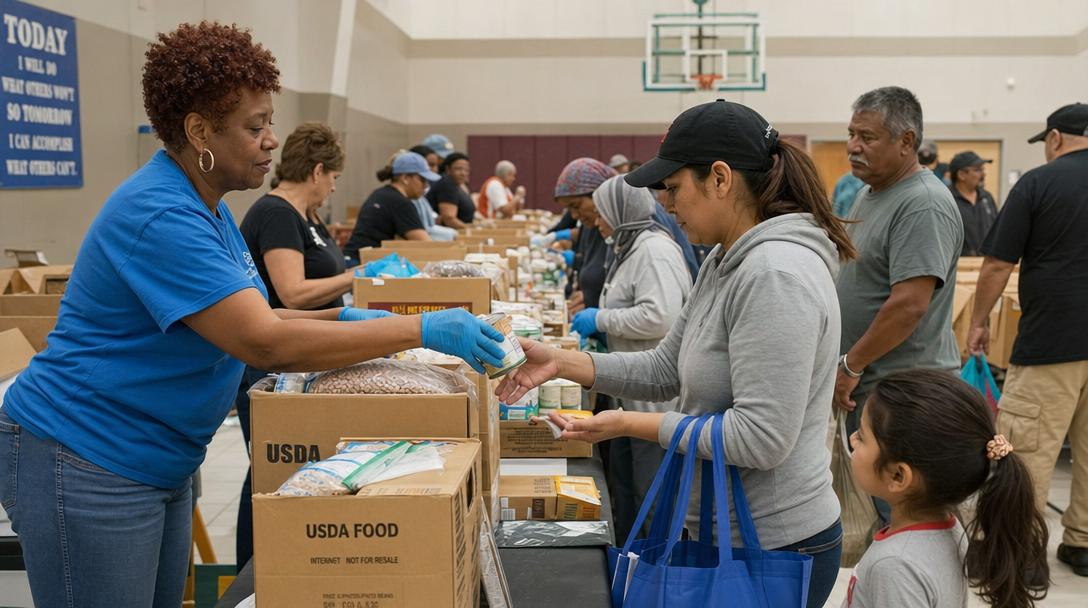
The Emergency Food Assistance Program, known as TEFAP, is a federal program that helps supplement the diets of low-income Americans by providing food through local agencies. Unlike SNAP, TEFAP does not put money on an EBT card for you to spend at a store. Instead, the USDA buys commodity foods and distributes them to states, which pass them along to food banks, pantries, soup kitchens, and other partner organizations that serve the public.
TEFAP is one piece of the national nutrition safety net. It supports food banks that already serve communities and adds USDA-purchased items such as canned vegetables, fruit, protein foods, grains, and dairy when available. Because the food moves through a network of local partners, what you receive and how often you can visit depends heavily on where you live.
If you are facing food insecurity, TEFAP may be an option whether or not you receive SNAP. Many households use pantry food to stretch grocery budgets, cover the days before the next EBT deposit, or access items they cannot easily afford. Understanding how TEFAP works can help you find distributions near you and know what to expect when you arrive.
How TEFAP Fits Into the Federal Nutrition System
Congress funds TEFAP through the Farm Bill and related appropriations. The USDA Food and Nutrition Service administers the program nationally and allocates commodities and grant funds to states based on formulas that consider low-income population and unemployment data. State agencies, often agriculture or social services departments, contract with regional food banks and emergency feeding organizations.
Those partners store, transport, and distribute food to local pantries and meal sites. The system is designed for emergency and supplemental assistance rather than replacing a household's entire food budget. TEFAP strengthens the infrastructure that charities use to feed communities, especially when donations from the public fluctuate.
Who Can Receive TEFAP Food
Eligibility rules require that recipients be low income, but states define income limits within federal guidelines. Some locations ask you to self-certify that your income falls below a set threshold. Others may request identification or proof of address without a full SNAP-style application.
TEFAP food is generally free at the point of distribution. You do not repay the value of commodities you receive. Frequency limits may apply so that pantries can serve as many households as possible. A site might allow one visit per week or one box per month, depending on supply and local policy.
What Types of Food TEFAP Provides
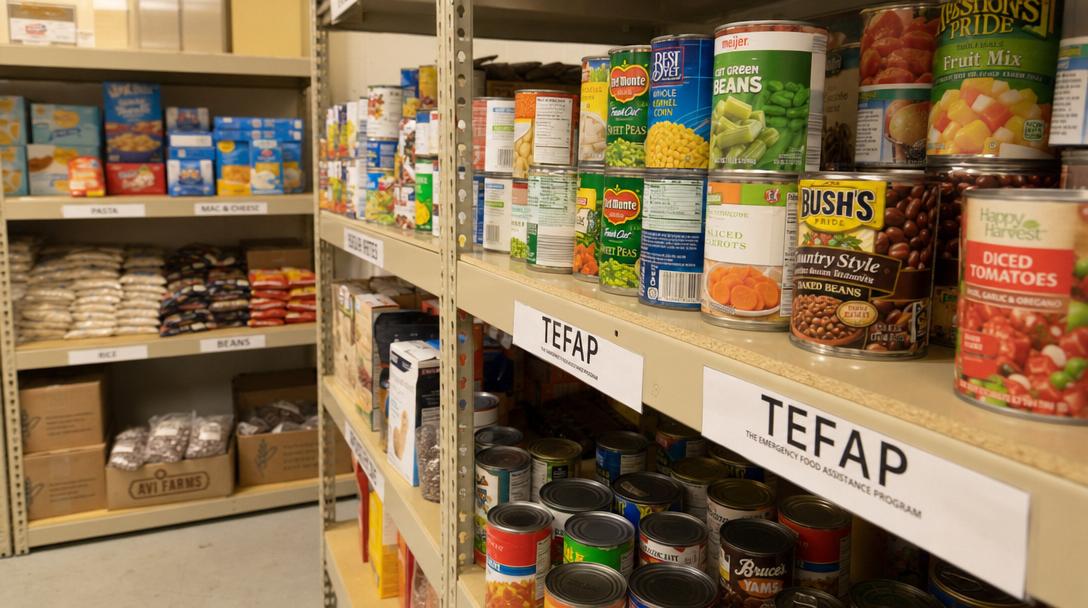
USDA commodities vary with market conditions, nutrition policy, and available funding. Pantries cannot guarantee specific items on a given day. A typical distribution might include shelf-stable and sometimes fresh or frozen products when the supply chain allows.
Common TEFAP items include:
- Canned fruits and vegetables such as peaches, green beans, and tomatoes
- Protein options such as canned tuna, peanut butter, or frozen meats when available
- Grains including rice, pasta, and cereal
- Dairy products such as fluid milk, cheese, or shelf-stable milk in some regions
- Juice, canned soup, and mixed goods depending on the shipment received
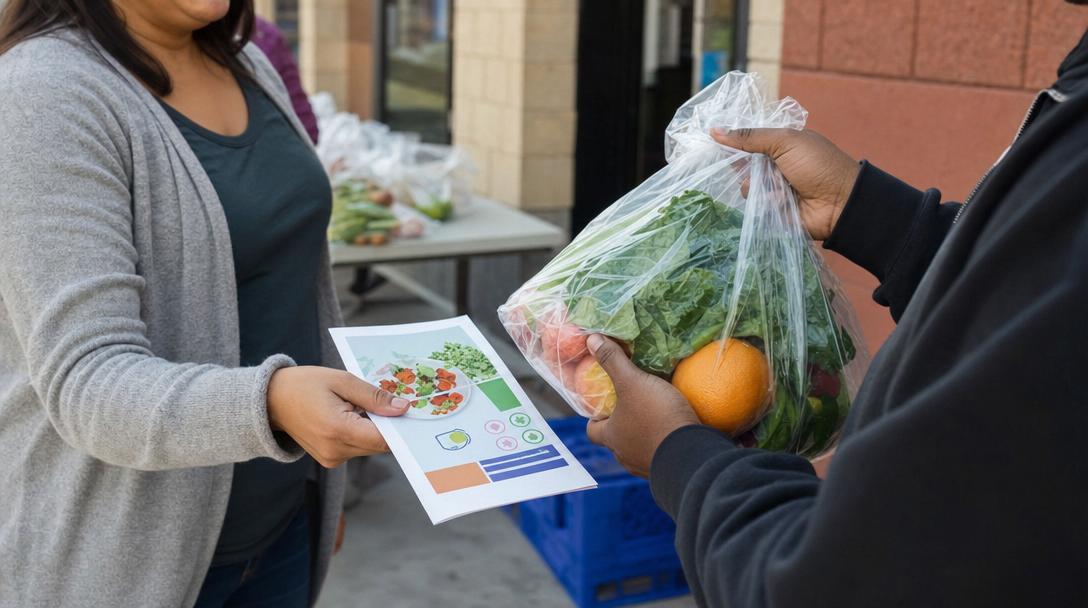
Because inventory changes, flexible meal planning helps. Pantries often share recipe ideas or combine TEFAP items with fresh produce from separate donation programs.
Where to Find TEFAP Distributions
TEFAP food reaches people through food pantries, mobile pantry routes, soup kitchens, and community centers. You do not apply for TEFAP at a federal office. Instead, you visit a local partner site during posted hours.
To locate help near you:
- Search your regional food bank website for pantry locators or distribution calendars
- Call 211 for referrals to emergency food sites in many communities
- Check county social services or aging office listings for senior food box programs linked to TEFAP
- Ask at libraries, churches, and community centers that host mobile pantry visits
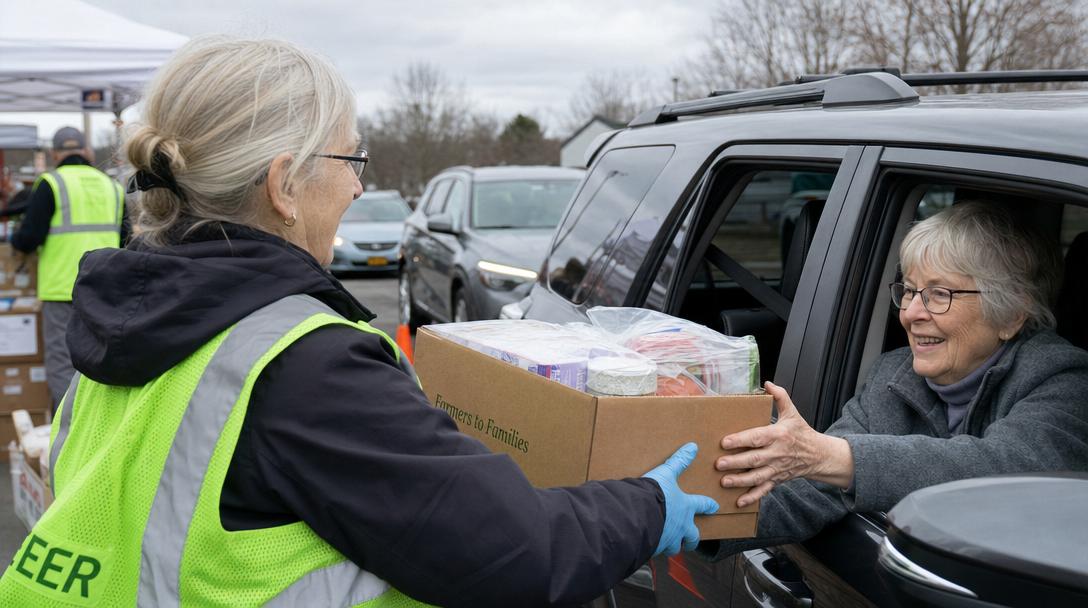
Hours and locations change, so confirm before traveling, especially for outdoor or drive-through distributions affected by weather.
What to Bring When You Visit a Pantry
Requirements differ by site. Some pantries only ask you to sign a form stating that you meet income guidelines. Others may request:
- Photo identification
- Proof of address such as a utility bill or lease
- Number of people in your household for portioning food boxes
Arriving early is common at popular sites because food is distributed until supplies run out. Dress for the weather if the line is outdoors, and bring bags or boxes if the pantry asks participants to supply their own containers. Volunteers are often handling high demand, so patience and courtesy help the process move smoothly for everyone.
TEFAP Compared With SNAP and Food Pantries
SNAP provides monthly benefits on an EBT card for purchasing food at retailers. TEFAP supplies physical food through emergency channels. Many food pantries distribute a mix of TEFAP commodities, donated grocery items, and purchased food funded by charitable dollars. You do not need to choose one program over the other when you qualify for multiple forms of help.
Using SNAP for staples and TEFAP or pantry visits for additional items is a common strategy. TEFAP does not reduce SNAP benefits because it is not counted as income. However, other rules may apply to different programs, so ask a caseworker if you have questions about a specific situation.
Limitations and Practical Expectations
TEFAP depends on federal funding levels and USDA purchasing decisions, so the quantity of food available can shift from year to year. Pantries may run out before everyone in line is served during peak demand. Not every community has a distribution site within easy travel distance, which is a real barrier for rural residents or people without reliable transportation.
TEFAP food is nutritious but may not match every cultural preference or dietary need. Some sites offer separate allergy-friendly or culturally appropriate options when donations allow. Communicating dietary restrictions politely to volunteers may help them point you toward suitable items when choices exist.
Getting the Most From TEFAP and Complementary Resources
Plan to combine TEFAP visits with other supports for a more stable food supply. WIC, school meals, SNAP, and senior nutrition programs each address different needs. Community gardens, co-ops, and discount grocers can further reduce costs when available in your area.
If you need help finding food repeatedly, speak with pantry staff about additional referrals. Many organizations connect visitors with benefits screening, job programs, and utility assistance. TEFAP addresses immediate hunger while those other resources can help with underlying budget pressures over time.
This article is for general information only and is not legal, financial, or government advice. Program names, benefit amounts, income limits, and eligibility rules can change at any time and vary by state and household. Always confirm the latest details with the official agency or a trusted nonprofit before applying.