
Where to Get Assistance (Organizations Edition)
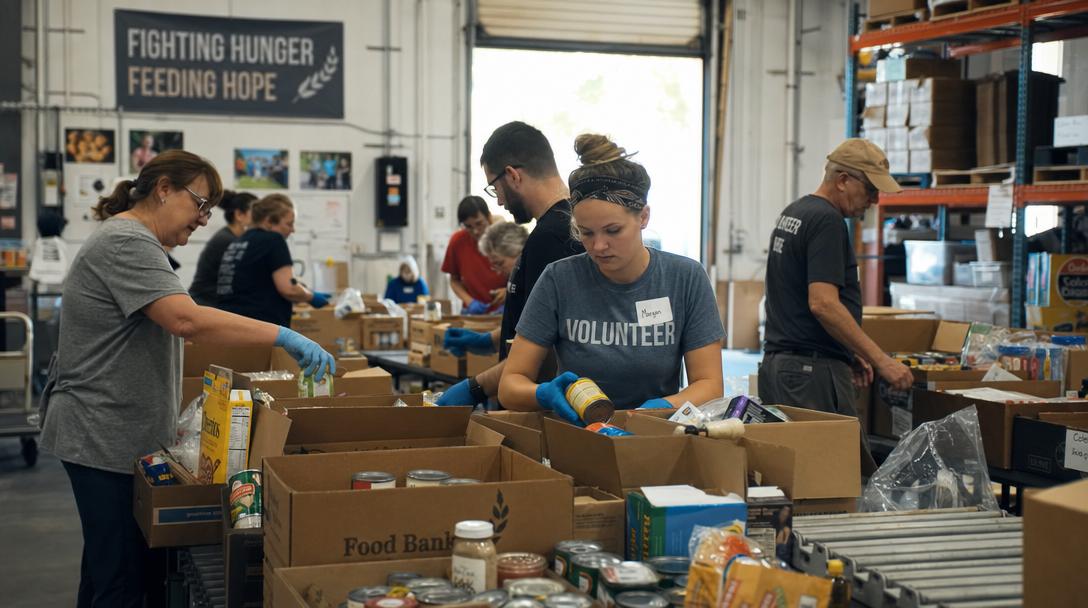
When money gets tight, the hardest part is often figuring out which organization to call first. Government programs are only one piece of the picture. Community action agencies, 211 helplines, local charities, legal aid groups, housing counselors, and faith-based nonprofits can all help point you in the right direction — and sometimes provide direct support when a government office cannot move fast enough.
The best search usually starts local. A nearby organization is more likely to know which programs are open, which deadlines are coming up, and which documents you will need. That can save a lot of time compared with guessing online and applying to the wrong place.
Be specific when you ask for help. Say whether you need food, rent, energy, legal, or housing support, and ask where to apply. A clear request makes it easier for the right organization to match you with the right program.
Start with 211 — Your Local Resource Navigator
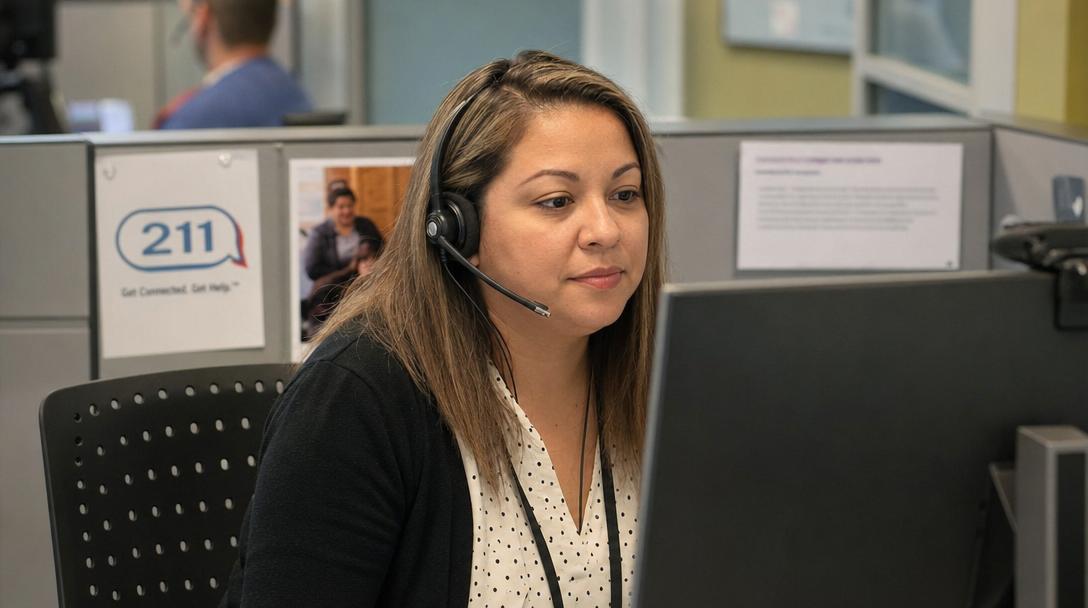
The 211 helpline connects callers with verified local services for housing, utilities, food, transportation, health care, and crisis support. It is available in most communities by phone, text, or web chat.
- Call 211 or visit 211.org to find your local provider
- Explain who lives in your household, your income range, and your most urgent need
- Ask about walk-in centers, mobile clinics, or same-day programs near you
- Request a written referral list so you can follow up on each option
211 specialists search databases updated by local nonprofits and government agencies. They cannot guarantee enrollment, but they shorten the time it takes to find legitimate options.
Community Action Agencies (CAAs)
Community Action Agencies operate in nearly every county and connect low-income households with LIHEAP energy aid, weatherization, emergency rent help, and job training referrals.
- Search "community action agency" plus your county or city name
- Ask about emergency assistance funds and their seasonal budgets
- Inquire about bundled services — some CAAs help with multiple applications in one visit
- Bring proof of income, lease or mortgage statement, and utility bills
If one office has exhausted its budget, staff may still know which neighboring counties or private partners have open slots.
Food Banks, Pantries, and Meal Programs
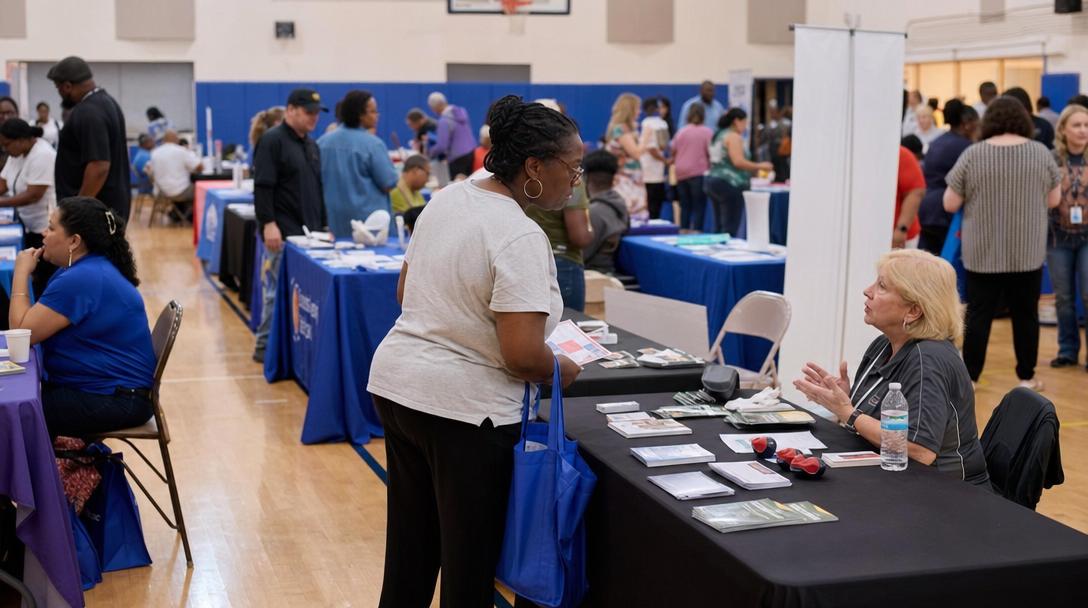
Hunger relief organizations range from regional food banks supplying hundreds of pantries to small church kitchens serving hot meals weekly. Eligibility is often simpler than SNAP.
- Regional food banks list partner pantries with hours and distribution schedules
- Mobile pantry trucks visit rural areas and food deserts on set days
- Senior meal sites serve adults 60 and older through local Area Agencies on Aging
- School pantries and backpack programs support families with children
Visiting a pantry does not cancel SNAP eligibility. Using both when needed is common and encouraged.
Housing and Homelessness Services
Housing nonprofits range from emergency shelters to long-term rental assistance coordinators. Contacting them early matters when eviction or unsafe conditions are involved.
- HUD-certified housing counselors help with rental applications and foreclosure prevention at low or no cost
- Coordinated entry systems assess needs and prioritize shelter and voucher referrals
- Tenant unions and legal aid partners may intervene before court dates
- Transitional housing bridges the gap between shelter and permanent housing
Bring your eviction notice, lease, and any landlord correspondence. Timelines in housing court move quickly.
Legal Aid and Advocacy Groups
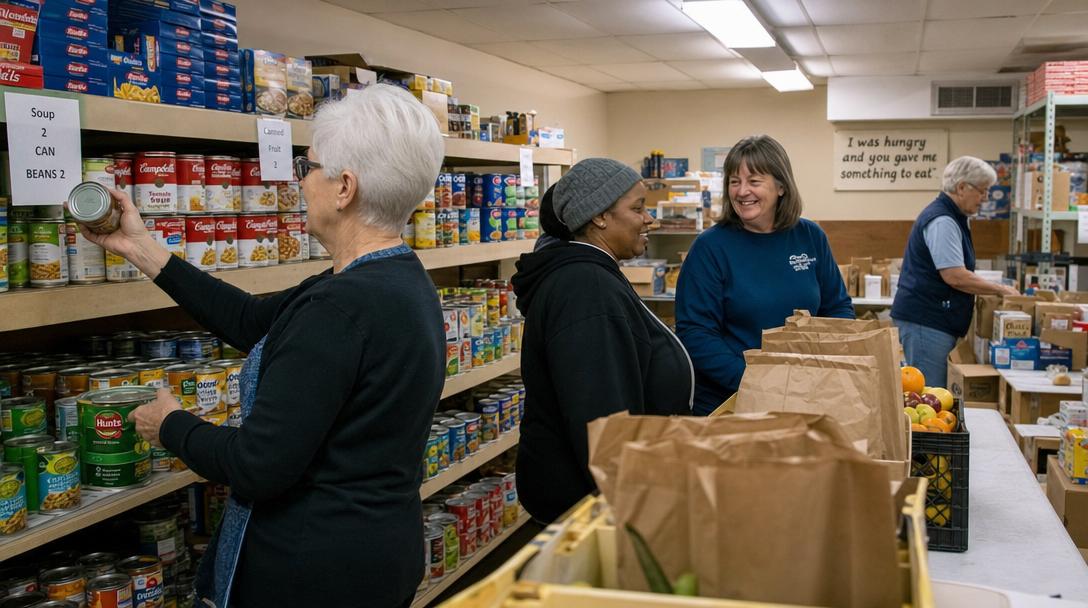
Legal aid organizations provide free or low-cost representation when benefits are denied, wages withheld, or housing rights violated.
- National Legal Aid directories list clinics by state and issue area
- Disability advocacy groups assist with SSI and SSDI appeals
- Immigrant resource centers connect families with trusted legal referrals
- Consumer protection offices address debt collection abuse and utility shutoffs
Call intake lines early, ask about self-help clinics, and keep copies of every denial letter.
Faith-Based and Mutual Aid Networks
Churches, synagogues, mosques, and mutual aid groups often operate small emergency funds for rent, utilities, prescriptions, and transportation.
- Benevolence committees sometimes review short applications the same day
- Interfaith coalitions pool resources during extreme weather or disasters
- Confirm legitimacy before sending money through online mutual aid groups
- Volunteer ride programs help rural residents reach medical appointments
Faith-based aid is usually independent of government programs. Report large cash gifts only if a program asks about recent income.
Health, Mental Health, and Disability Support
Community health centers and disability service organizations connect uninsured people with care that would otherwise be out of reach.
- Federally qualified health centers charge based on income and offer primary, dental, and behavioral care
- Clubhouses and peer networks assist adults with mental health conditions
- Independent living centers help with home modifications and equipment loans
- Pharmaceutical patient assistance programs reduce copays for specific medications
Ask whether a benefits counselor can review disability forms before submission. Small errors cause long delays.
Senior-Specific Organizations
Americans 60 and older have dedicated networks that younger adults often overlook. Area Agencies on Aging coordinate nutrition programs, caregiver respite, and benefits enrollment.
- AAAs publish annual resource guides for each region
- SHIP counselors provide free Medicare plan comparisons during open enrollment
- Elder abuse hotlines route reports to adult protective services
- Kinship navigator programs support grandparents raising grandchildren
How to Prepare and Stay Safe
Gathering documents before your first call speeds up every referral. Most organizations ask for the same core items.
- Government-issued ID, Social Security numbers, and recent pay stubs or benefit letters
- Lease, mortgage statement, or shelter verification
- Utility bills showing past-due balances and account numbers
- A simple log of every organization called, with dates and next steps
Legitimate organizations never demand upfront fees to unlock benefits or pressure you to pay by gift card. Verify nonprofit status, trust official .gov domains, and report scams to the FTC. Real help requires patience and persistence — but you do not have to navigate it alone.
This article is for general information only and is not legal, financial, or government advice. Program names, benefit amounts, income limits, and eligibility rules can change at any time and vary by state and household. Always confirm the latest details with the official agency or a trusted nonprofit before applying.