
You Can't Get Section 8 Assistance Without These 4 Things
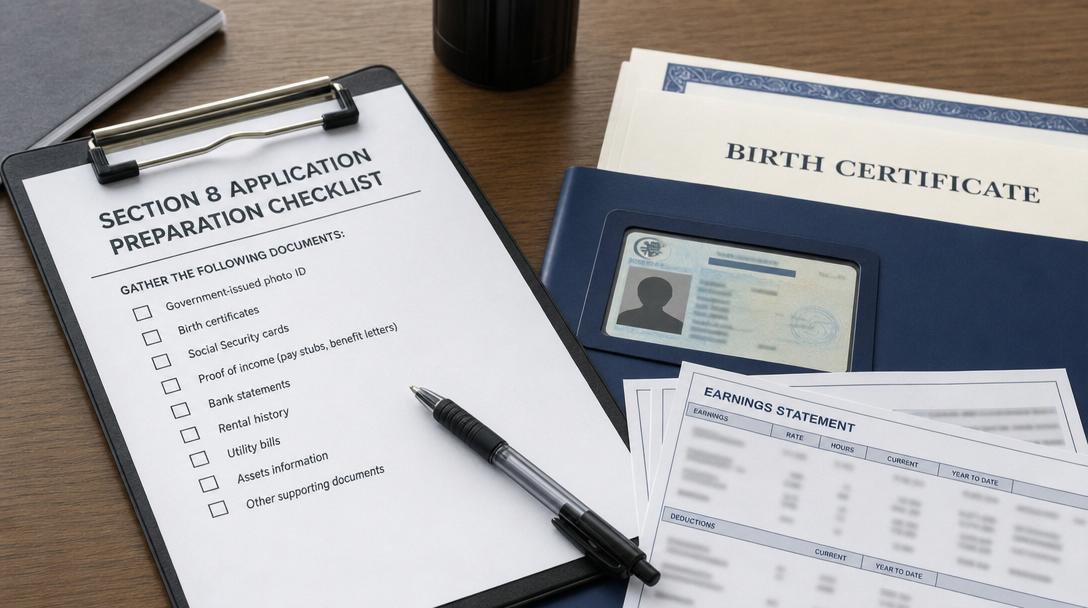
Section 8 assistance—formally the Housing Choice Voucher Program—helps millions of households afford rent, but approval is not automatic. Housing authorities turn away or delay applications every day because paperwork is incomplete, income cannot be verified, or basic eligibility requirements are not met.
That does not mean the program is impossible to access. It means you need four foundational pieces in place before you apply or before your name comes up on a waiting list. Missing any one of them can stall your case for months or remove you from consideration entirely.
This guide explains those four essentials, why each matters, and how to prepare them so you are ready when your local Public Housing Authority opens its list or calls you in for an interview.
Thing 1: Proof You Meet Income Limits
Section 8 is designed for low-income households. Your local housing authority compares total household income to HUD income limits for your area and family size. Most applicants must be at or below 50 percent of the area median income.
Income includes wages, self-employment earnings, Social Security, unemployment, child support, and most other regular payments. The housing authority may also count assets such as bank accounts in some cases. Report income honestly—discrepancies between what you declare and what documents show trigger delays and can lead to denial later.
Gather recent proof before you apply:
- Pay stubs covering the last several weeks or months
- Employer verification letters if pay stubs are unavailable
- Benefit award letters for Social Security, SSI, TANF, or disability payments
- Tax returns, especially if you are self-employed
- Documentation of child support received or court-ordered payments
If your income changes after you apply, notify the housing authority promptly so your file stays accurate.
Thing 2: Valid Identification for Every Household Member
Housing authorities must verify who will live in the unit. You will need government-issued photo identification for adult members and Social Security numbers for everyone in the household.
Citizenship or eligible immigration status is required for federal assistance. Mixed-status households may qualify for prorated assistance depending on current rules—ask your housing authority how they calculate benefits.
Commonly requested items include:
- Driver's license, state ID, or passport for adults
- Social Security cards or SSA verification printouts
- Birth certificates for children
- Immigration documents such as permanent resident cards when applicable
- Marriage certificates or custody orders if household composition is not obvious from other records
Make copies of everything. If an ID is expired, renew it before your interview if possible. Missing ID is one of the simplest reasons applications sit unfinished.
Thing 3: A Complete and Accurate Application
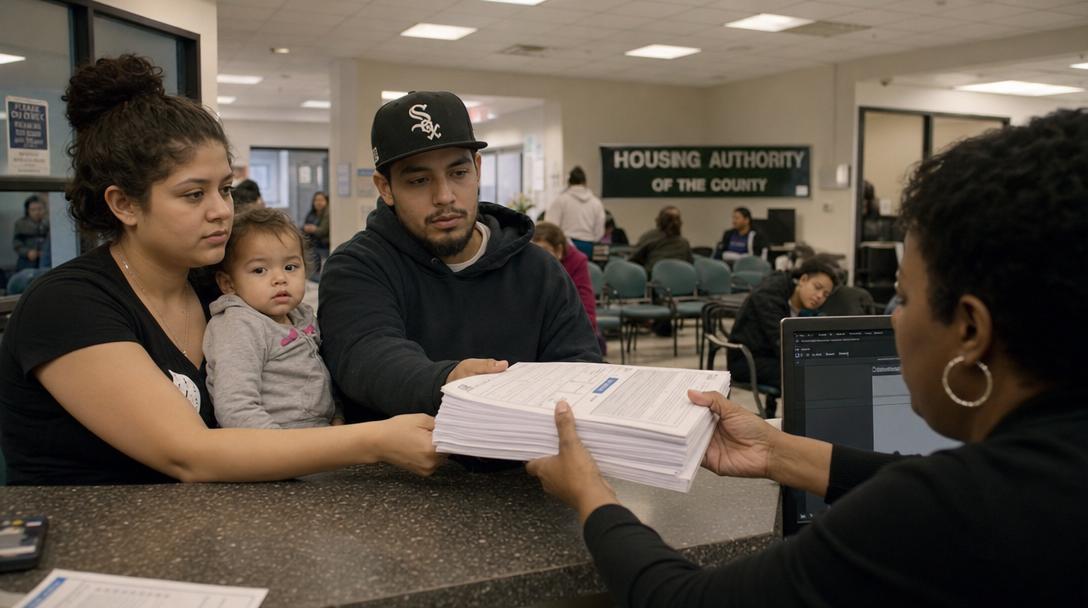
The application is the legal basis for your place on the waiting list and later voucher approval. Incomplete answers, unsigned pages, or outdated contact information can remove you from consideration.
When you apply, you typically provide household size, income sources, current address, and sometimes rental history. Answer every question—leaving blanks may count as incomplete. Some housing authorities ask about criminal history or prior evictions; answer truthfully based on local rules.
After you submit, respond immediately to any request for additional forms. If you miss a deadline, you can lose your spot even after waiting years. Keep a dedicated folder with your confirmation number, dates applied, updated contact information, and notes from calls with staff. If you move, notify the housing authority in writing and keep proof of delivery.
Thing 4: A Realistic Plan to Use the Voucher
Receiving a voucher is not the finish line. You still must find a landlord willing to accept Section 8, choose a unit within rent limits, and pass inspection. Housing authorities give limited search time—often 60 to 120 days—and extensions are not guaranteed.
Without a housing search plan, even approved applicants return vouchers unused. Start researching neighborhoods, transportation, and participating landlords before your name reaches the top of the list. Ask the housing authority for landlord lists, set aside savings for deposits not covered by the program, and identify backup units in case your first choice fails inspection.
If you have a disability that requires accessible features, request reasonable accommodation help early so search time and inspection standards account for your needs.
How These Four Pieces Work Together

Income proof establishes eligibility. Identification verifies household members. A complete application keeps you active on the list. A housing plan ensures the voucher becomes a home. Weakness in any area breaks the chain.
Someone who qualifies financially but ignores mail from the housing authority may never know their interview date. Someone who receives a voucher but waits until the final weeks to start touring apartments may run out of time. Treat all four as ongoing responsibilities, not one-time tasks. Annual recertification repeats income and identity checks for current voucher holders.
Extra Factors That Can Help or Hurt Your Case
Preferences may move you up a waiting list if you are homeless, paying more than half your income in rent, or qualify as elderly or disabled under local rules. Document your situation with shelter letters, rent receipts, or medical records when allowed.
Certain criminal convictions or eviction history may affect eligibility depending on federal guidance and local policy. Ask the housing authority what rules apply rather than assuming automatic denial. Landlord discrimination remains a barrier even with a valid voucher—some areas prohibit refusing tenants based on source of income.
What to Do While You Wait

Waiting lists can last years. Keep documents updated as income changes, confirm your contact information annually, and explore emergency rental assistance if you face immediate eviction. Connect with housing navigators or legal aid if you receive an eviction notice while waiting.
Do not pay anyone who promises to jump you to the top of Section 8 lists. Housing authorities do not sell placements. Scams prey on desperation—report suspicious offers to local consumer protection offices.
When You Are Called for an Interview
Bring original documents plus copies. Arrive on time, or ask ahead about rescheduling if illness or lack of transportation interferes. Missing an interview without notice can remove you from the list.
Expect questions about household composition and income changes since you applied. If expenses increased, bring proof of medical costs or child care that may adjust your tenant share. After approval, read your briefing packet carefully—it explains search deadlines, inspection rules, and how to report changes while you have a voucher.
Section 8 assistance can make rent manageable, but housing authorities need verified income, solid identification, a complete application, and a tenant ready to use the voucher in the real market. Prepare those four things now so you are not scrambling when opportunity arrives. Confirm current requirements with your local Public Housing Authority before you apply.
This article is for general information only and is not legal, financial, or government advice. Program names, benefit amounts, income limits, and eligibility rules can change at any time and vary by state and household. Always confirm the latest details with the official agency or a trusted nonprofit before applying.