
The HUD Home Store

The HUD Home Store is the official online marketplace where the U.S. Department of Housing and Urban Development lists homes it has taken back through foreclosure on FHA-insured mortgages. Buyers use the site to search by city, price, bedroom count, and property status. It is not a typical real estate app with agent-curated listings—it is a government inventory of homes HUD is trying to sell.
Listings on the HUD Home Store can look like bargains compared with nearby market prices. That lower sticker price does not mean the purchase is simple or risk-free. Many HUD homes need repairs, have been vacant for months, or require financing that not every lender handles. Treat each listing as a starting point for research, not a finished decision.
Whether you are a first-time buyer hoping to build equity or an investor looking for a fixer-upper, understanding how the HUD Home Store works can save time and prevent costly surprises. This guide walks through what the site offers, who can buy, how bidding works, and what to check before you make an offer.
What the HUD Home Store Actually Is
When a homeowner with an FHA loan stops paying the mortgage, the lender forecloses and HUD pays the insurance claim. HUD then becomes the owner and lists the property for sale through the HUD Home Store website. The goal is to return foreclosed homes to productive use and recover some of the federal insurance funds.
The site is free to browse. You do not need an account to search, though registered brokers and approved bid submitters use additional tools behind the login portal. Listings include photos, property condition notes, and case numbers that identify each home in HUD's system.
HUD homes are sold as-is. That means HUD generally will not repair the roof, fix the plumbing, or address code violations before closing. Buyers inherit whatever condition the property is in on the day of sale, which makes inspections and repair estimates essential.
Who Can Buy a HUD Home
HUD sets priority periods that affect who may bid during the first days a property is listed. Owner-occupants—people who plan to live in the home as their primary residence—usually get the first chance to bid. Investors may have to wait until a later bidding window opens, depending on the listing.
You do not have to be a first-time buyer to qualify as an owner-occupant, but you typically must live in the home for at least one year in many cases. Investors can participate once the investor bidding period begins, though competition and pricing dynamics may differ.
How to Search and Read Listings
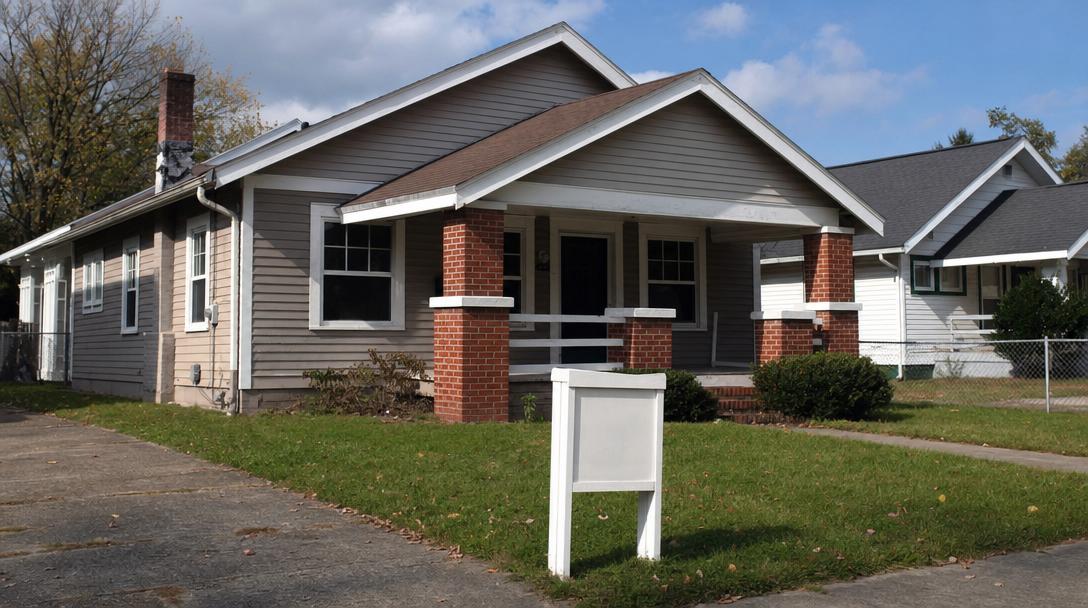
The search tools on hudhomestore.gov let you filter by state, county, price range, and number of bedrooms. Each listing shows an asking price, status such as active or pending, and sometimes an indication of whether the home is insurable with FHA financing or requires cash or conventional repair escrow.
Pay close attention to listing details beyond the photos:
- Property address and neighborhood context
- List price and any price reductions shown in the history
- Insurability status for FHA loans
- Repair escrow amounts if noted
- Lot size, year built, and square footage when available
- Case number needed for your bid
Compare the HUD price with recent sales of similar homes nearby. A discount that disappears once you add $30,000 in repairs is not really a deal.
The Bidding and Purchase Process
HUD homes are sold through an online bid process managed by HUD's contracted asset managers. Most buyers work with a real estate agent who is registered to submit bids on the HUD Home Store. Your agent prepares the offer, enters it in the system, and tracks results.
During the owner-occupant period, bids are typically reviewed after a set number of days rather than on a first-come basis. The highest acceptable net bid to HUD often wins, though rules can vary by listing. If your bid is accepted, you receive a deadline to deliver earnest money and move toward closing.
If your bid is rejected, you can usually bid again on the same property or move on to another listing.
Financing Options for HUD Homes
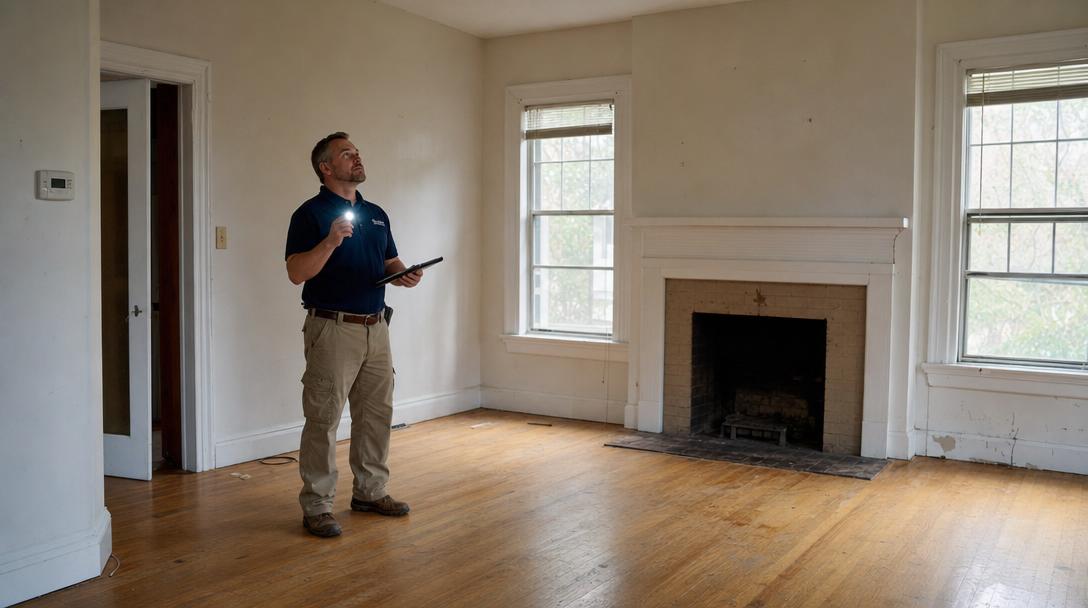
Many buyers use FHA loans, VA loans, or conventional mortgages to purchase HUD properties, but the home's condition affects what lenders will approve. If the property fails FHA minimum property standards, you may need a renovation loan such as FHA 203(k) or pay for repairs out of pocket before or after closing.
Some listings are marked as FHA-insurable, meaning they may qualify for standard FHA financing without major repairs. Others are sold as-is with repair escrow requirements or are limited to cash buyers when damage is extensive.
Talk to a lender experienced with HUD purchases before you bid. Knowing your loan type, repair budget, and maximum purchase price keeps you from winning a bid you cannot actually close.
Inspections, Appraisals, and Due Diligence
HUD gives buyers a limited window to inspect the property after bid acceptance. Use that time fully. Hire a licensed home inspector familiar with vacant and distressed properties. Walk the roofline, test electrical panels, check for water intrusion, and estimate HVAC age even if utilities are off.
HUD does not guarantee listing accuracy, so verify square footage, schools, and zoning independently. If inspection results exceed your repair budget, know your cancellation deadlines before you commit earnest money.
Common Mistakes Buyers Make

Buyers new to the HUD Home Store often underestimate repair costs or overestimate how quickly they can close. Another frequent error is bidding without lender pre-approval, then scrambling when HUD sets a tight closing date.
Most successful purchases involve an agent registered with HUD's bidding system. Setting a firm maximum price—including estimated repairs—helps you walk away when competition pushes the cost too high.
Tips for a Smoother HUD Home Purchase
Organization speeds everything up. Before you bid, assemble your proof of funds or loan pre-approval, photo ID, and agent contact information. Respond the same day when HUD or your agent requests signatures.
If you plan to live in the home, prioritize neighborhoods where you are comfortable for the owner-occupancy period and beyond.
Where to Get Help and Official Information
The HUD Home Store website remains the authoritative source for active listings and bid instructions. HUD-approved housing counselors and lenders experienced with HUD transactions in your state can answer program and financing questions.
Buying through the HUD Home Store can be a path to affordable homeownership if you respect the as-is nature of the sale and budget honestly for repairs. Go in with clear numbers, the right professionals, and realistic timelines, and the site becomes a useful tool rather than a surprise-filled auction.
This article is for general information only and is not legal, financial, or government advice. Program names, benefit amounts, income limits, and eligibility rules can change at any time and vary by state and household. Always confirm the latest details with the official agency or a trusted nonprofit before applying.