
All the Housing Assistance That's Out There
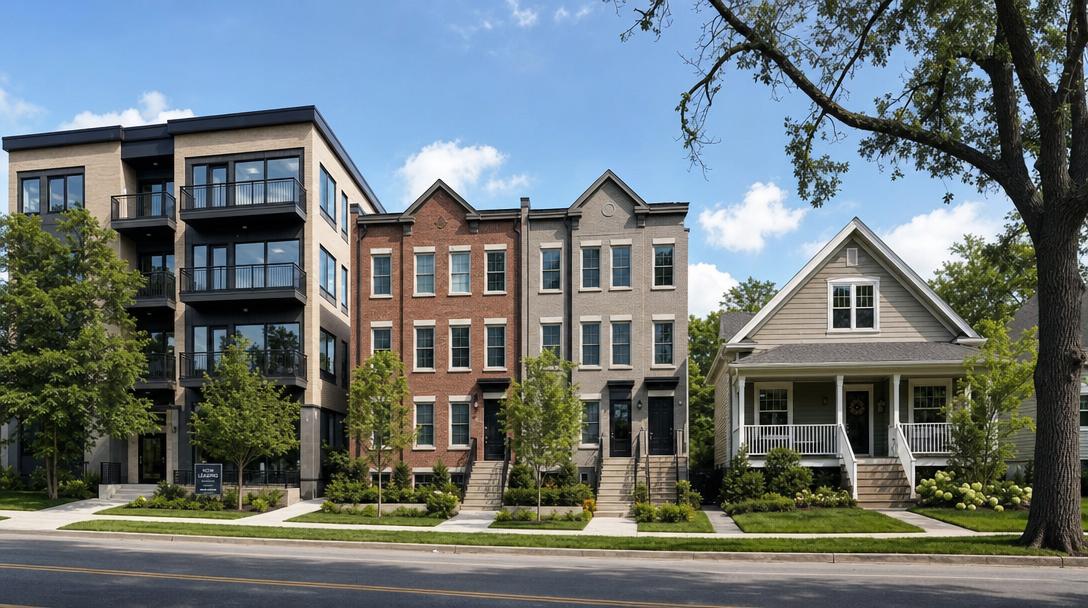
Housing costs touch nearly every part of daily life. When rent, utilities, and moving expenses outpace income, it can feel like there is nowhere to turn. The good news is that housing assistance in the United States comes in many forms—not just one program with a single application.
Federal, state, and local agencies run rental help, homeownership support, emergency shelter, and utility relief. Nonprofits and community organizations fill gaps when public waiting lists are long. The challenge is not always whether help exists, but knowing which programs fit your household and how to apply without missing deadlines.
This overview maps the major categories of housing assistance so you can see what might apply to your situation. Rules change often and vary by location, so use this as a starting map and confirm details with official sources in your area.
Rental Assistance and Voucher Programs
The largest and best-known rental help comes through the Housing Choice Voucher Program, often called Section 8. Eligible households receive a voucher that pays part of the rent directly to a landlord, while the family covers the rest. Public Housing Authorities manage most vouchers locally, including waiting lists that can stretch for years in high-demand cities.
Other rental programs target specific groups. Veterans may access support through VA-related housing services. Some states fund short-term rental subsidies for families leaving homelessness or domestic violence shelters. Tribal housing authorities operate programs for enrolled members on or near reservation land.
Even without a voucher, you may qualify for state emergency rental assistance, nonprofit bridge programs, or legal aid when facing eviction.
Rental assistance rarely covers every housing cost forever. Most programs expect your share of rent to adjust as income changes.
Public Housing and Project-Based Subsidies
Public housing refers to government-owned apartment communities where eligible tenants pay reduced rent based on income. Unlike mobile vouchers, the subsidy stays with the building. When you move out, the next qualified tenant benefits from the same reduced-rent structure.
Project-based Section 8 works similarly: the rental assistance is tied to specific units in a private or nonprofit building. You apply through the property manager or housing authority that oversees that development. When a unit opens, someone from the waiting list is contacted.
Both models can offer long-term stability, but unit availability is limited. Waiting lists may open only occasionally.
Homeownership Assistance Programs
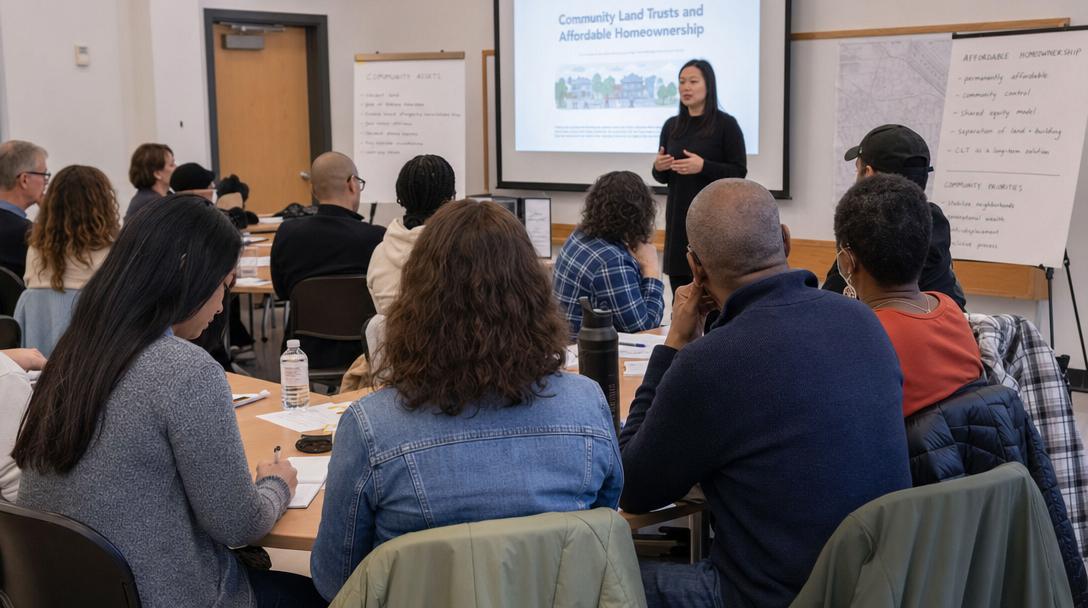
Buying a home feels out of reach for many renters, yet several programs aim to bridge the gap. FHA-insured loans allow lower down payments for qualifying borrowers. USDA rural development loans support purchases in eligible non-urban areas. VA loans offer favorable terms for veterans and certain surviving spouses.
Down payment assistance grants and forgivable loans exist in many states and cities. These programs may require homebuyer education, income caps, and purchasing in designated areas. Some target first-generation homebuyers or workers in public service fields.
HUD's Good Neighbor Next Door and similar initiatives occasionally offer discounted homes to teachers, law enforcement, and other professions in revitalization zones. Inventory is limited and sells quickly when available.
Homeownership assistance does not eliminate the need for good credit, stable income, and affordable total housing costs.
Emergency Shelter and Transitional Housing
When someone loses housing suddenly, emergency shelter is often the first stop. Shelters provide overnight beds, meals, and case management while staff connect guests to longer-term options. Family shelters, youth shelters, and domestic violence safe houses serve different safety needs and may have separate entry requirements.
Transitional housing programs offer temporary apartments—sometimes up to 24 months—with support services such as job training, childcare referrals, and financial coaching. The goal is to move households into permanent housing with skills and savings intact.
Coordinated entry systems in many communities assess vulnerability and prioritize shelter beds and rapid rehousing slots. Calling 211 or visiting a local continuum-of-care office is often the fastest way to enter that process.
Homelessness Prevention and Rapid Rehousing

Prevention programs try to stop eviction before it happens. That might mean paying overdue rent once, negotiating payment plans with landlords, or covering utility arrears that triggered a lease violation. Documentation of hardship and landlord cooperation are usually required.
Rapid rehousing assists people who are already homeless or in shelter. Short-term rental assistance, security deposit help, and case management get households into an apartment quickly. Follow-up support helps with job searches, budgeting, and lease compliance so the new placement lasts.
These programs are time-limited by design and work best when combined with steady income or benefits that make ongoing rent manageable after assistance ends.
Utility and Weatherization Help Linked to Housing
An unaffordable home is not just about rent or mortgage payments. LIHEAP and similar state programs help low-income households pay heating and cooling bills. Some housing authorities include utilities in public housing rent, simplifying monthly budgeting.
Weatherization programs seal windows, upgrade insulation, and repair heating systems to lower long-term energy use. Eligibility often overlaps with LIHEAP or is offered through community action agencies. Lower utility bills free money for rent or mortgage payments without changing the lease itself.
If energy costs are pushing you toward missing rent, ask whether your utility company offers budget billing or deferred payment plans before you fall behind on housing.
Specialized Programs for Seniors and People With Disabilities

Older adults may access Section 202 supportive housing, which combines affordable rent with services like meals or transportation. Low-Income Housing Tax Credit properties often set aside units for seniors at reduced rents without the long voucher wait in some markets.
People with disabilities may qualify for certain public housing units, project-based vouchers, or state rental subsidies tied to Medicaid waivers and home- and community-based services. Accessibility modifications through some local programs can make an existing unit workable when moving is not ideal.
Aging in place programs sometimes provide minor home repairs that help someone stay safely in a home they already own or rent.
How to Find and Stack Programs in Your Area
No single website lists every option nationwide. Practical steps include:
- Contacting your local Public Housing Authority for voucher and public housing waiting lists
- Calling 211 for shelter, rental aid, and utility help referrals
- Searching your state housing finance agency website for down payment programs
- Visiting HUD's online housing counselor locator for free homebuyer or renter counseling
- Asking community action agencies, churches, and legal aid offices about emergency funds
Stacking programs takes planning and transparent income reporting with each caseworker to avoid overpayments or penalties.
What to Expect About Waiting Lists and Paperwork
Most housing assistance is not immediate. Keep a dedicated folder for applications and respond quickly to interview letters—missing a single appointment can send you back to the bottom of a list.
Denials happen. Ask for written reasons and whether an appeal or reapplication is possible when your circumstances change.
Housing assistance is a patchwork reflecting federal funding, state priorities, and local markets. Start with the category closest to your need and work outward from trusted local contacts who know which lists are open right now.
This article is for general information only and is not legal, financial, or government advice. Program names, benefit amounts, income limits, and eligibility rules can change at any time and vary by state and household. Always confirm the latest details with the official agency or a trusted nonprofit before applying.