
Understanding Different Types of Home Security Systems
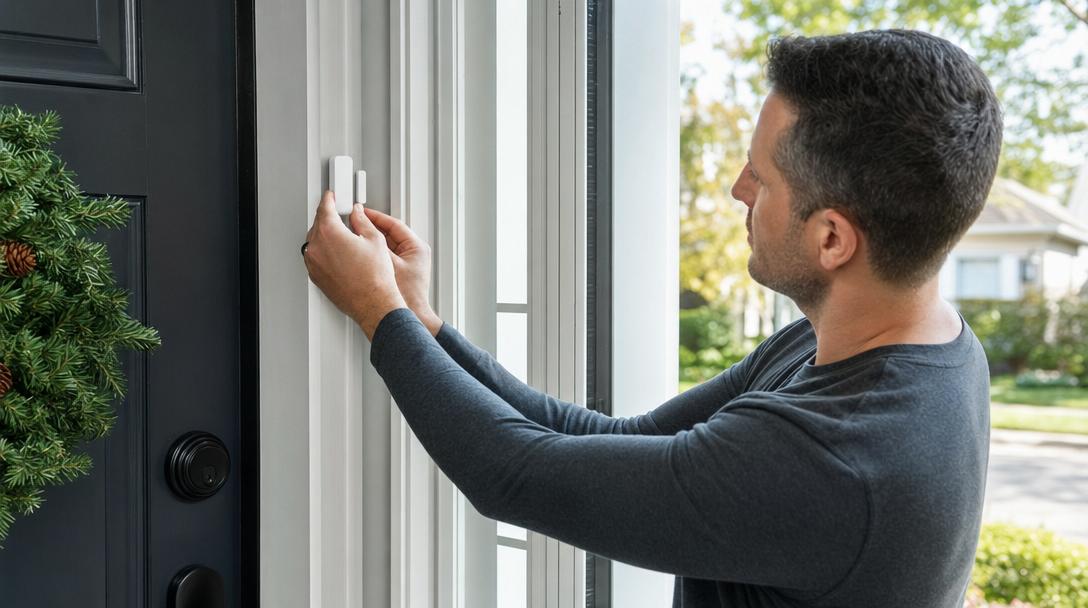
Home security used to mean a loud alarm and a sign in the front yard. Today it can include doorbell cameras, glass-break sensors, smart locks, and professional monitoring centers that dispatch police or fire when a sensor trips. The range of options is wider than ever, which helps homeowners tailor protection—but also makes shopping confusing.
The right system depends on your living situation, budget, and how much daily control you want from your phone. Renters need equipment they can remove without damaging walls. Rural homeowners may prioritize cellular backup when broadband is unreliable. Frequent travelers often value live video and remote arming more than sirens alone. Taking time to compare system types before you buy prevents costly upgrades or contract lock-in later.
This guide breaks down the main types of home security systems, how they connect and alert you, and what to weigh before you sign a contract or drill your first hole.
Professionally Installed and Monitored Systems
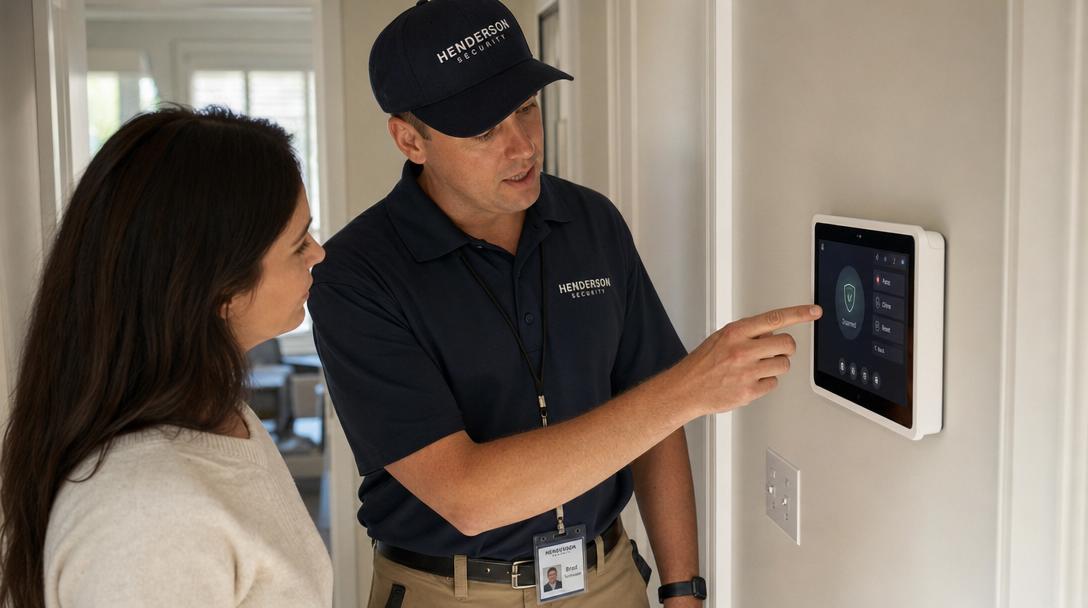
Traditional security companies sell packages that include equipment installation, 24/7 professional monitoring, and dispatch when alarms activate. A technician mounts control panels, door and window sensors, motion detectors, and sometimes cameras. You pay an upfront equipment fee or finance hardware, plus a monthly monitoring charge.
Why people choose them: expert placement of sensors, brand recognition that may deter burglars, and the comfort of knowing a monitoring center will call you and emergency services if you do not respond.
Trade-offs include multi-year contracts and higher lifetime cost. Read cancellation and relocation clauses before committing.
DIY Self-Install Systems
Do-it-yourself brands ship preconfigured kits you mount with adhesive strips or basic tools. Setup guides walk through pairing sensors to a hub and testing each zone from a mobile app. Many offer optional professional monitoring for a lower monthly fee than legacy providers, or no monitoring at all for self-alert mode.
Why people choose them: lower upfront cost, no installation visit, easy expansion with add-on sensors, and renter-friendly hardware that comes down when you leave.
Trade-offs include personal responsibility for sensor placement and troubleshooting connectivity.
Unmonitored and Local Alarm Systems
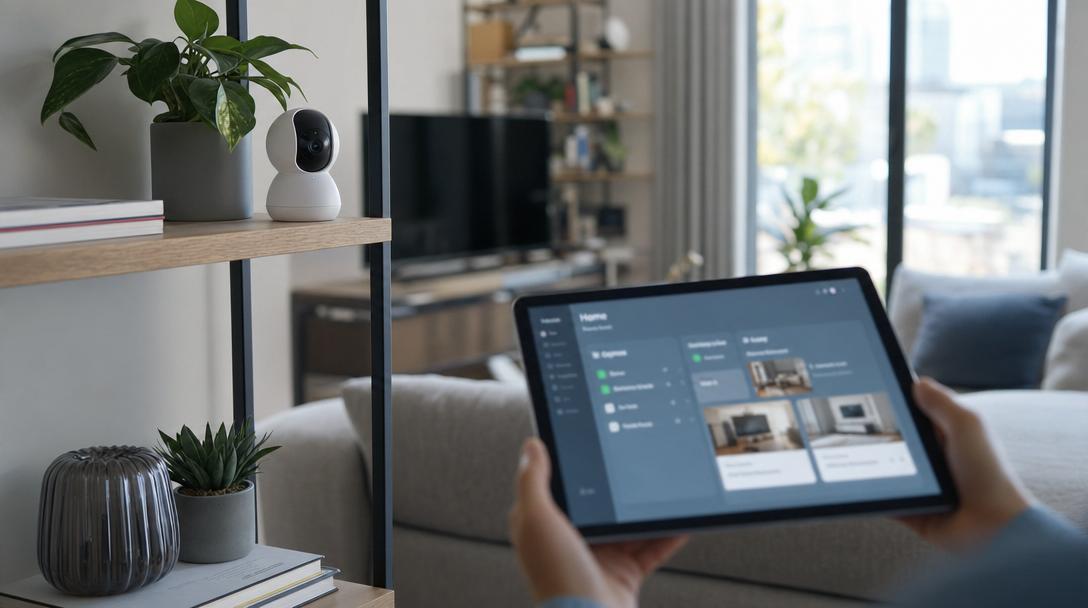
Unmonitored systems sound sirens and send phone notifications when triggered, but no central station calls police automatically. You decide whether to check the app, call a neighbor, or contact authorities yourself.
Why people choose them: no monthly monitoring bill, privacy from third parties viewing camera feeds, and simplicity for people who primarily want deterrence and awareness.
Trade-offs include slower emergency response if you miss a notification while sleeping or traveling.
Wired Versus Wireless Equipment
Wired systems connect sensors to a panel through walls, offering stable power and no battery swaps, but installation is labor-intensive and difficult in finished homes. Wireless systems use radio signals—often Z-Wave, Zigbee, or proprietary protocols—between battery-powered devices and a hub.
Why wireless dominates new sales: faster setup, retrofit-friendly for older houses, and modular growth as budgets allow.
Trade-offs include battery maintenance and occasional interference from thick walls or metal siding.
Video Doorbells and Standalone Cameras
Video doorbells combine a doorbell button with a camera, microphone, and motion detection. Standalone indoor and outdoor cameras stream live or recorded clips to apps, sometimes with person, package, or vehicle detection.
Why people choose them: visual verification of visitors, package theft documentation, and remote check-ins on kids or pets.
Trade-offs include subscription fees for cloud storage and bandwidth use on home Wi-Fi.
Smart Home Integration and Automation
Modern systems tie into smart locks, lights, thermostats, and voice assistants. An alarm event might flash lights, lock doors automatically, or announce through smart speakers. Geofencing can arm the system when your phone leaves the property.
Why people choose them: one app controls security and convenience features, routines that simulate occupancy while away, and fewer separate apps to manage.
Trade-offs include complexity when integrations break and the need for strong account passwords with two-factor authentication.
Environmental and Life Safety Sensors
Beyond intrusion detection, many hubs support smoke and carbon monoxide listeners, water leak probes, freeze sensors, and medical panic buttons. These expand protection from break-ins to fire, flood, and health emergencies. Early leak alerts can prevent mold and major repair bills, especially in basements and laundry rooms where slow drips go unnoticed for weeks.
Why people choose them: bundled monitoring for environmental threats and peace of mind for elderly relatives living alone.
Trade-offs include additional device costs and the need to test sensors on a schedule. A ignored low battery chirp eventually means no alert when it matters.
Monitoring Options and Matching a System to Your Home
Professional monitoring centers verify alerts and contact you, then dispatch fire or police if needed. Self-monitoring through apps pushes notifications only. Before you buy, clarify:
- Contract terms and early termination fees
- Who owns equipment after installation or financing ends
- Cellular backup fees and police permit requirements in your city
- Whether fire monitoring is included or costs extra
Some insurers offer small discounts on homeowners policies when monitored burglary and fire systems are active.
Apartment renters often succeed with peel-and-stick sensors, a video doorbell permitted by lease rules, and optional affordable monitoring they can cancel when moving. Suburban homeowners with multiple entry points may want a hub with several motion zones and outdoor cameras covering driveways.
Rural properties benefit from cellular-first hubs because broadband outages should not silence alarms. Budget realistically across three years, not just the first month—monitoring and cloud storage recur after hardware promotions fade.
Before you buy, clarify contract terms, equipment ownership, relocation policies, and the return window if sensors do not fit your doors or Wi-Fi range. Read recent customer reviews focused on support responsiveness when alarms actually trip—not just app star ratings.
Understanding different types of home security systems comes down to three choices: who installs the gear, who responds when alarms fire, and how much smart home integration you want. Basic habits like locking doors still matter. Compare options against your home layout and budget over several years, then start with a core kit you can expand as needs become clear.
This article is for general information only and is not legal, financial, or government advice. Program names, benefit amounts, income limits, and eligibility rules can change at any time and vary by state and household. Always confirm the latest details with the official agency or a trusted nonprofit before applying.