
Thousands Available from the SSA

The Social Security Administration handles benefits for retirement, disability, survivors, and Medicare enrollment for millions of Americans. Over a lifetime of covered work, some households may receive hundreds of thousands of dollars in combined benefits—but those totals build slowly through monthly payments, not through a single lump-sum grant advertised online.
Phrases like "thousands available from the SSA" often appear in marketing that oversimplifies how programs work. In reality, SSA pays according to formulas tied to earnings, family relationships, and program rules. What one neighbor receives may differ sharply from what another qualifies for, even in the same town.
This article explains what SSA programs may provide over time, who might explore them, how to apply, and how to stay safe from scams that misuse the idea of easy money from Social Security.
What "Thousands From the SSA" Actually Refers To
SSA administers several long-term benefit programs rather than one universal cash offer. Retirement benefits pay monthly income based on lifetime earnings. SSDI pays workers who become disabled before retirement age. Survivor benefits may support widows, widowers, and dependent children after a worker dies. SSI provides modest monthly support to people with limited income and resources who meet disability or age criteria.
Over many years, monthly payments can add up to substantial sums. A retiree receiving an average benefit for twenty years, plus occasional cost-of-living adjustments, may collect well over $100,000 in lifetime Social Security income. That is different from a special bonus check mailed to everyone who calls a hotline.
Medicare enrollment and Extra Help with prescription drug costs also flow through SSA for many people.
Who May Qualify for SSA Programs
Each program has its own rules. Retirement benefits generally require at least ten years of covered work for full eligibility, with payments calculated from your 35 highest earning years. SSDI requires medical disability plus sufficient recent work credits. Survivor benefits depend on the deceased worker's record and the survivor's age and family status.
SSI targets people with limited income and assets, including older adults and disabled individuals who may never have worked enough for SSDI.
How to Apply Through the SSA
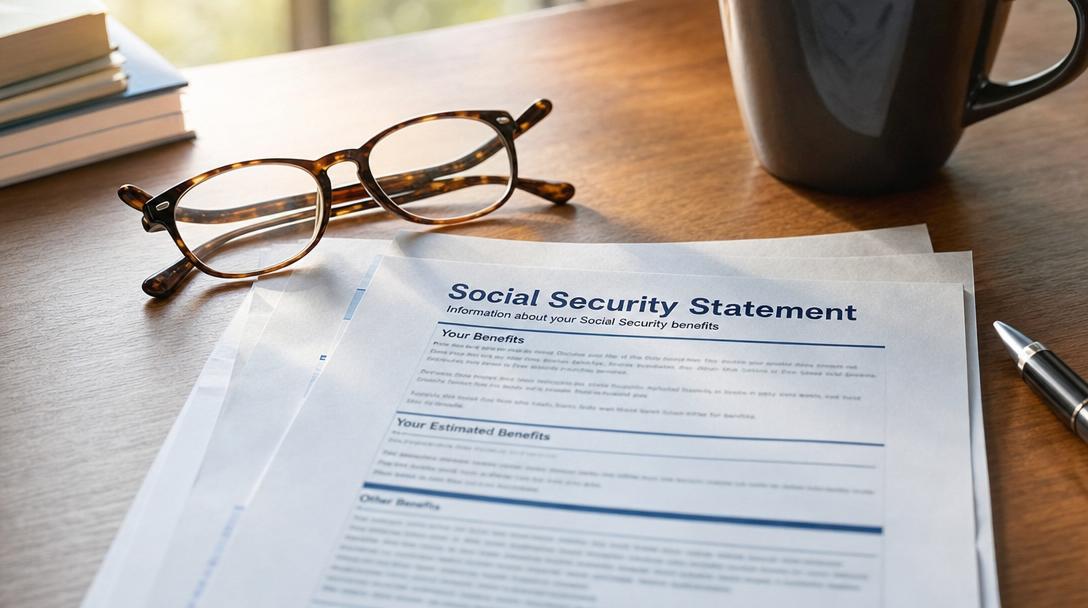
Most applications start at SSA.gov or by calling SSA's national number listed on the official site. Retirement claims can often be completed online in under an hour if you have your documents ready. Disability applications require detailed medical and work history and may take longer to prepare.
Survivor claims should be reported as soon as possible after a death. Funeral homes sometimes notify SSA, but family members should confirm and apply for eligible benefits themselves. Delay can cost months of payments that may not always be paid retroactively for every program.
Create a my Social Security account to track applications, update direct deposit, and read official notices.
Records and Documents Worth Gathering
Strong applications rely on complete information. Depending on the benefit type, you may need:
- Social Security numbers for you and family members listed on the claim
- Original or certified copies of birth certificates and marriage or divorce records
- W-2s, self-employment tax returns, or pay stubs to correct earnings records
- Medical provider contact information and treatment history for disability claims
- Death certificate and proof of relationship for survivor benefits
- Banking details for direct deposit
- Citizenship or immigration documents if not born in the United States
For SSI, SSA also reviews income, resources, and living arrangements. Bank statements, lease agreements, and records of other assistance may be requested.
Timelines and How Benefits Accrue Over Time

Initial retirement claims may pay within weeks of approval if you selected an appropriate start month. Disability determinations commonly take several months and sometimes more than a year if appeals are needed. Survivor benefits may begin quickly when documentation is complete, but processing still varies by office workload.
Back pay may be issued when SSA approves a claim after a long wait, particularly in disability cases. Amounts depend on established onset dates and program-specific waiting periods.
Common Mistakes When Seeking SSA Benefits
Applying for the wrong benefit type wastes time. A person unable to work should explore SSDI or SSI rather than early retirement without understanding permanent payment reductions. Other common errors:
- Claiming retirement on your own record when survivor benefits might pay more
- Ignoring errors on your earnings statement before you file
- Failing to report marriage, divorce, new work, or other life changes promptly
Avoiding Scams About SSA Money
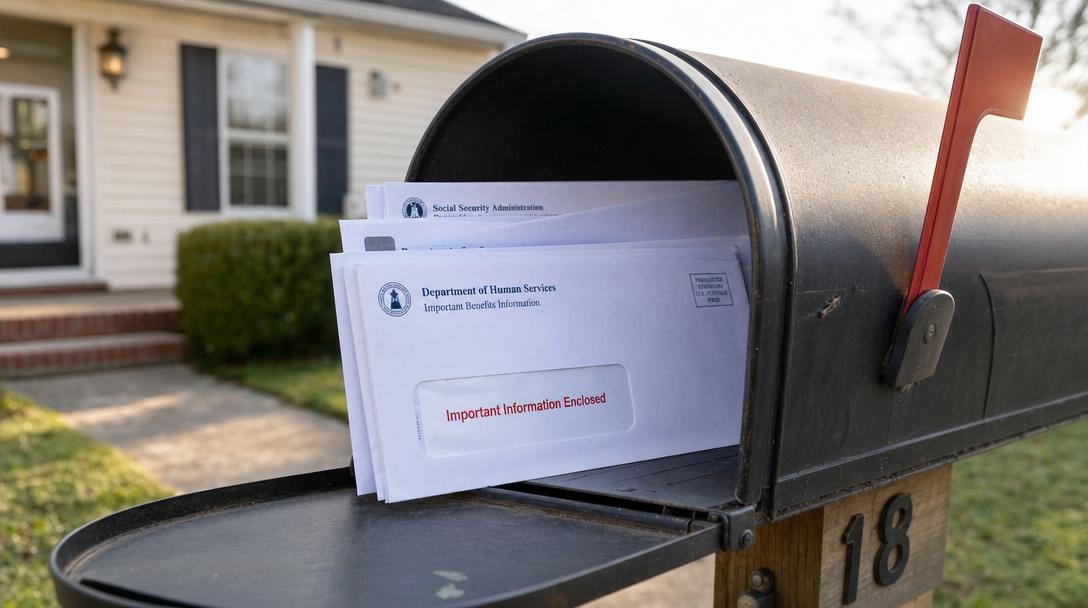
Fraudsters use phrases like "thousands waiting in your name" to sell fake enrollment services or steal identities. SSA does not call most people unexpectedly to offer lump-sum awards. Be skeptical of texts with links to non-government websites.
No legitimate advisor needs your password or payment by gift card to release benefits. Hang up on aggressive callers and dial SSA directly.
Frequently Asked Questions
**Does everyone with a Social Security number get thousands automatically?** No. Benefits depend on work history, disability status, age, and other factors. Many people receive nothing until they claim eligible programs at the right time.
**Can I get back pay for years I did not know I qualified?** Some programs allow limited retroactivity, especially disability claims with documented onset dates. There are strict limits, and not every program pays for years of missed filing.
**Is there a deadline to claim retirement benefits?** You can claim retirement benefits as late as age 70 for credits, but delaying beyond that does not increase monthly amounts further. Earlier claiming is allowed with reductions.
**How do I know if a letter from SSA is real?** Compare phone numbers and return addresses with SSA.gov. When unsure, visit a local office or call the national number on the official website—not a number printed on suspicious mailers alone.
**Can children receive thousands from a parent's record?** Dependent or survivor benefits for children may pay monthly amounts until age 18 or 19 in school, subject to family maximums. Totals depend on the worker's earnings record.
The Social Security Administration manages essential programs that may provide meaningful financial support over many years, but benefits are earned and calculated—not handed out as generic cash prizes. Use official resources to learn what may apply to your household, apply through proper channels, and treat sensational claims about easy SSA money with healthy skepticism.
This article is for general information only and is not legal, financial, or government advice. Program names, benefit amounts, income limits, and eligibility rules can change at any time and vary by state and household. Always confirm the latest details with the official agency or a trusted nonprofit before applying.